
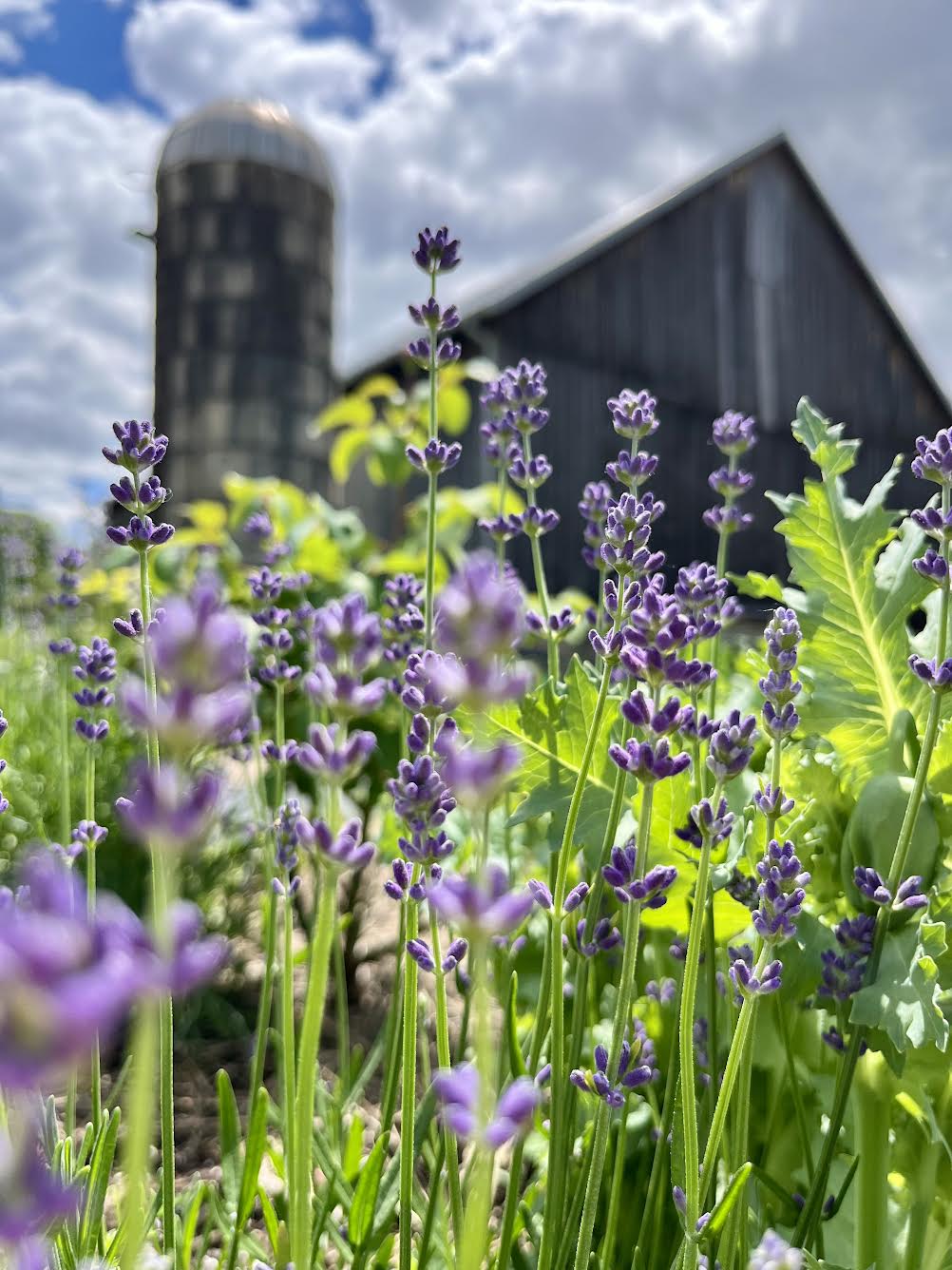
My Glimmer: The Allotment Garden
Lately, when I’m feeling overwhelmed, afraid, furious and sad–which is pretty much all the time now, shout-out to my fellow Highly Sensitives, Injustice Sensitives and Empaths–I try instead to think about our little plot of land in our town’s community garden to calm my nervous system. Here’s a typical break-down of the conversations between Jesse and I on our daily walks:
“Did you hear the {most recent completely inhumane, horrifying thing happening in our country} and how {it literally feels like there’s nothing we can do}?”
PAUSE.
“So, do you think we should grow artichokes again this year?”
Planning our allotment garden for spring is like a bright glimmer of light and a hope for something better. I thought I’d share some photos over the years along with some thoughts on what worked/what didn’t, how we manage the weeds, build the soil, how we’ve pivoted, and our plans for the future.
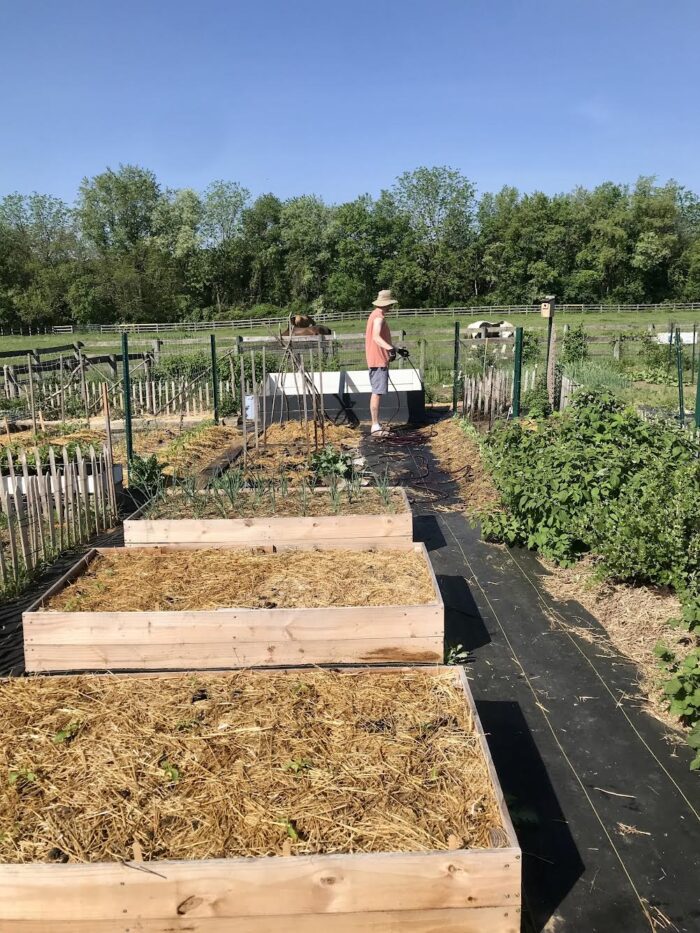
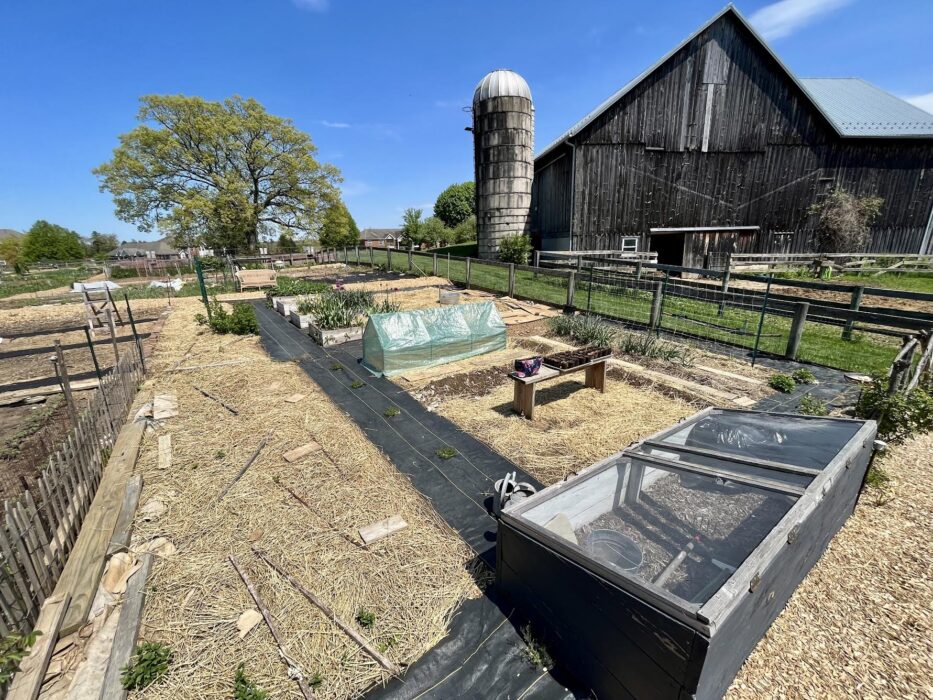
Quick background for those who don’t know: Our allotment garden began in 2019. It started with a single 15’x20′ patch and over the years we added on 3 more plots of the same size to make one large rectangle. This haphazard way of expansion means the overall plot isn’t quite as cohesive as we’d like, but oh well. We started this garden at the same time that we began this one. After having been on a waiting list for many years, we jumped at the opportunity to take a plot when it came up and now that we’re in a new home that is surrounded by mature oak trees we’re grateful to have a space where we can grow plants that require full sun.
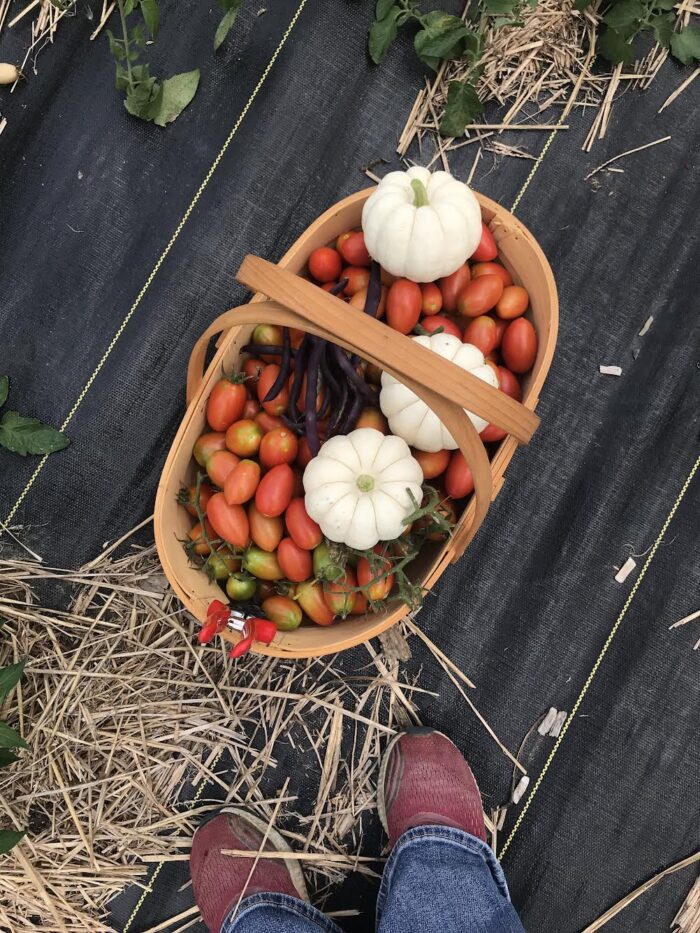
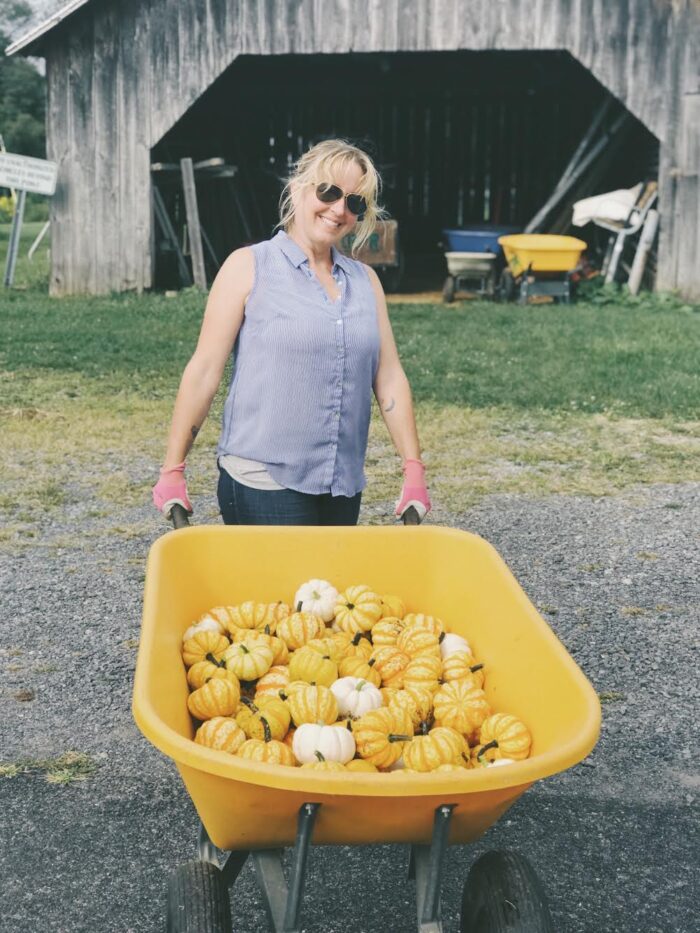
2019: So the biggest issue at our allotment, then and now, are the weeds. We’re surrounded by dozens of other plots and I’d say only about 20% of them are actually managed regularly which means the weeds get quite rowdy. Billions of weed seeds are blown around and building an endless seed bank within the soil. The tiniest dot of bare earth, if left unattended, will soon be covered in some kind of aggressive weed. How we have been managing that is:
- Practicing our no-till method of cardboard for smothering followed by heaps of compost
- Laying down a commercial grade weed barrier along the paths
- Adding copious amounts of compost (great for the plants but also makes weeds easier to pull)
- Mulching heavily (we find straw works a treat and is very inexpensive.)
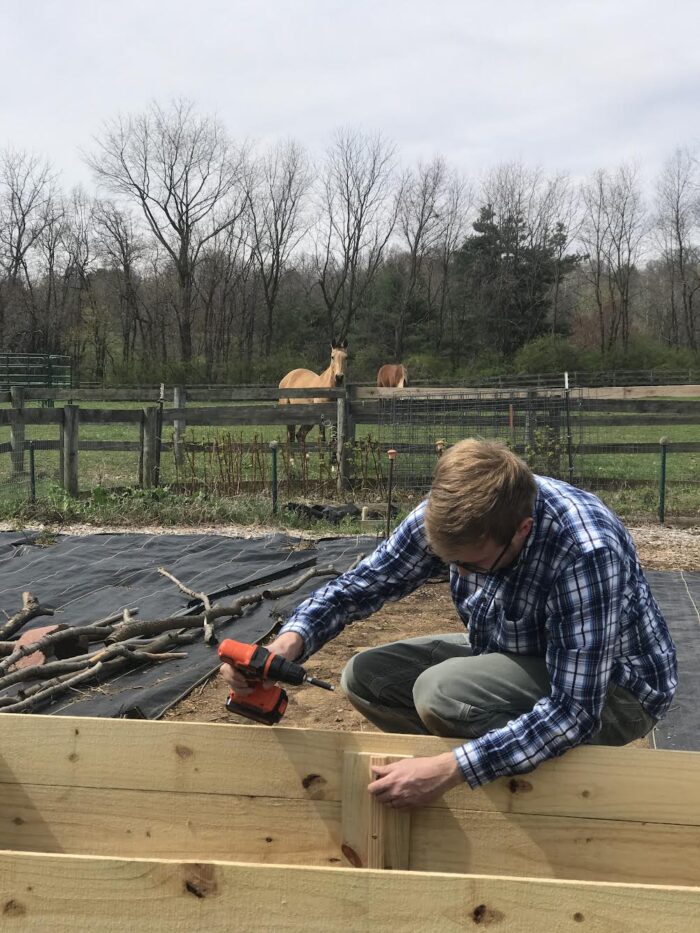
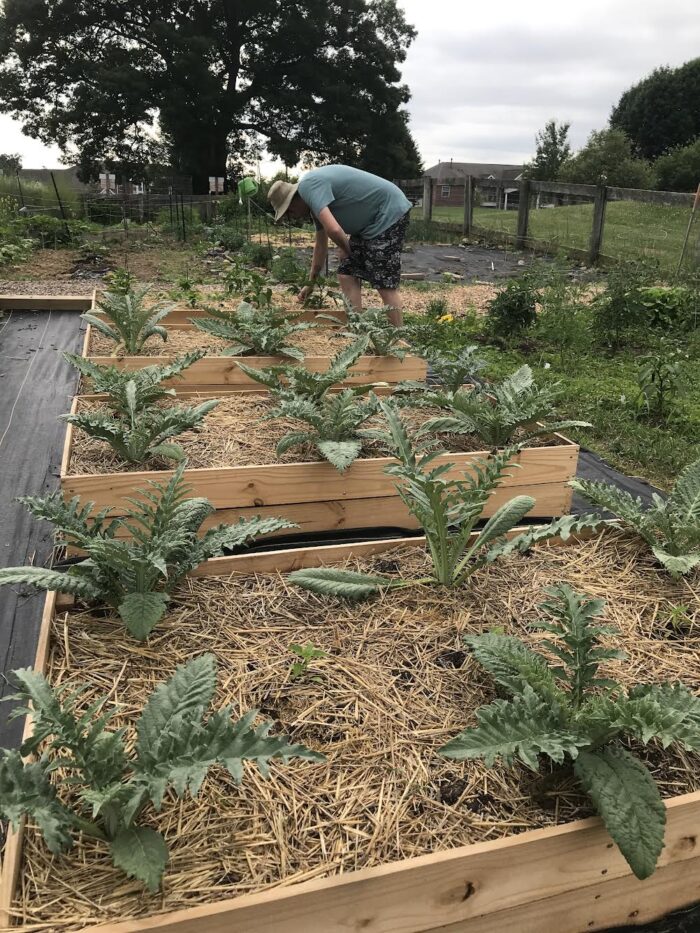
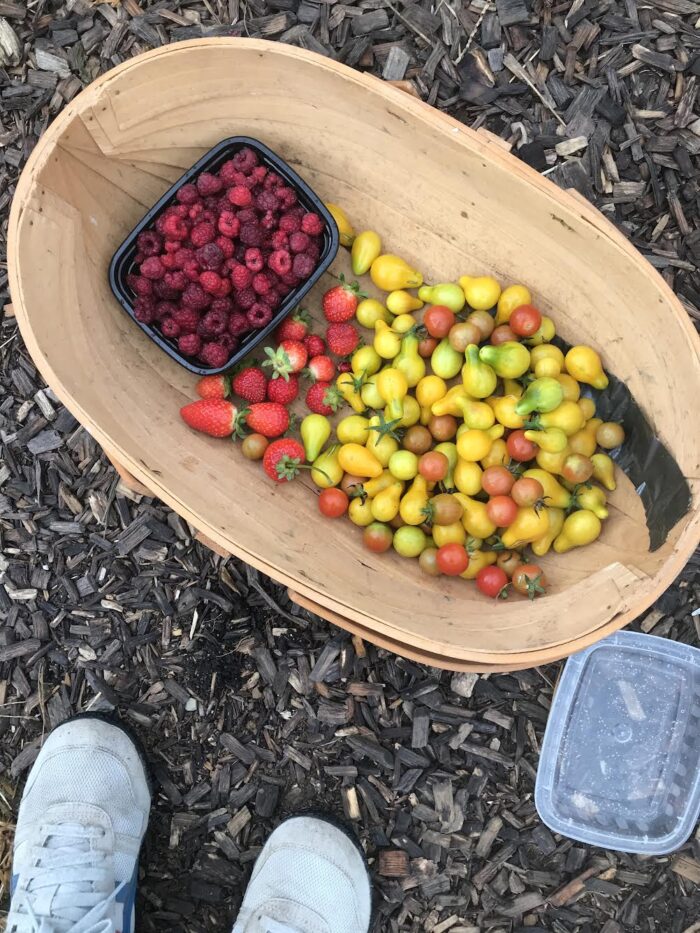
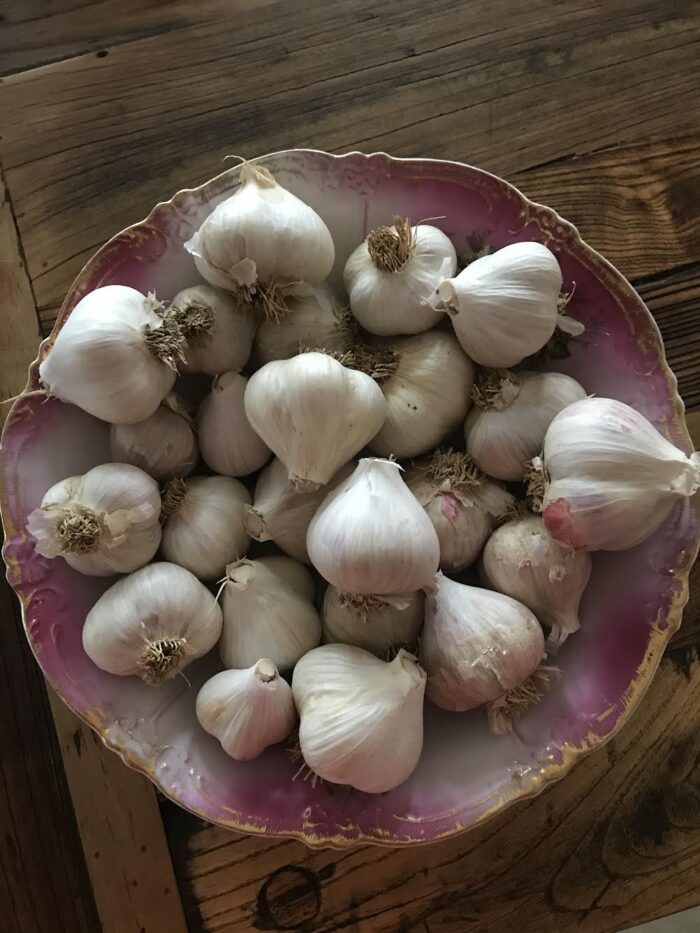
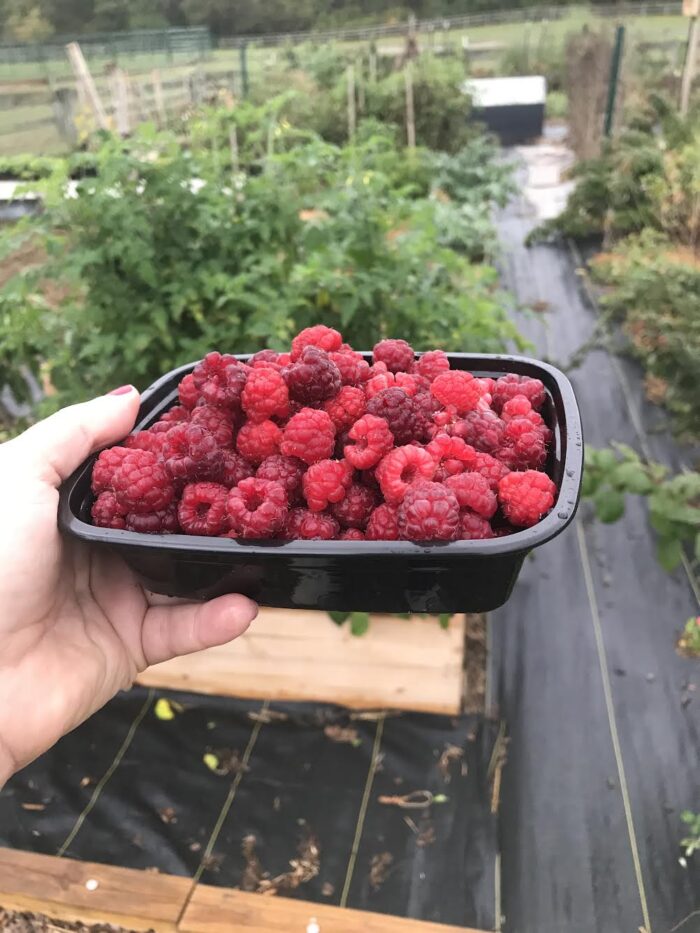
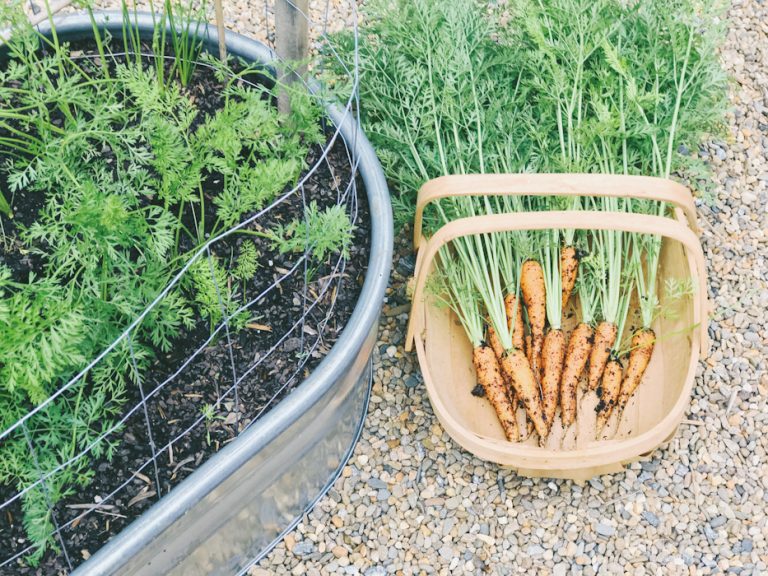
2020: We built a few raised beds out of some pieces of lumber we had lying around like fence panels and the like. Having raised beds has been fantastic–it’s really helped us grow more in a smaller space while also making watering and weeding a bit easier. We top it off every year with fresh compost and we tend to rotate crops so we’re not growing the same thing in the same bed year after year. (That being said, we’ve recently moved some of the roses into a couple of the raised beds and are filling around them with perennial herbs like lavender.)
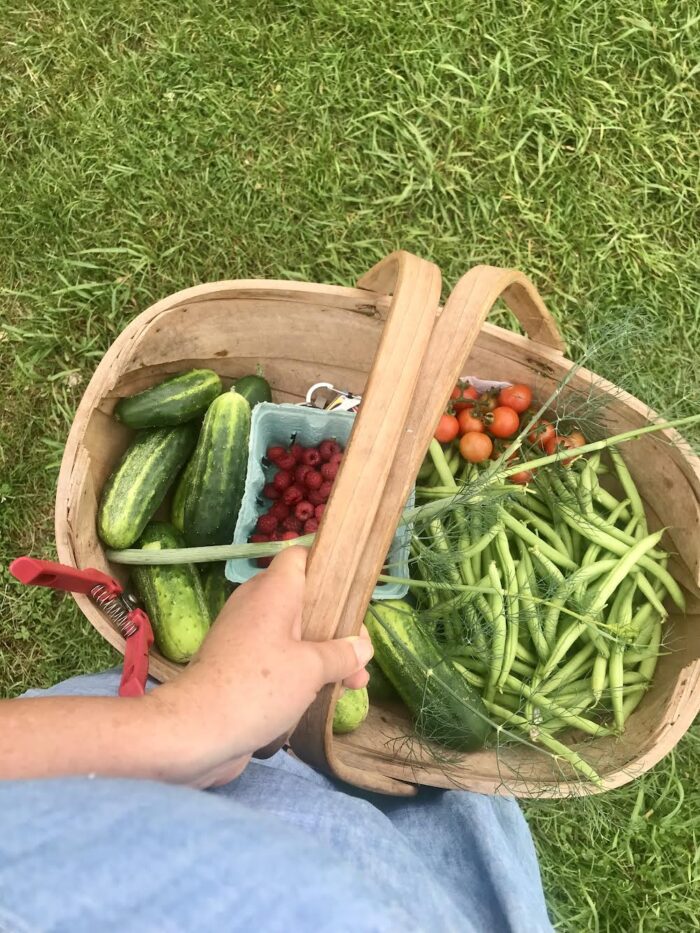
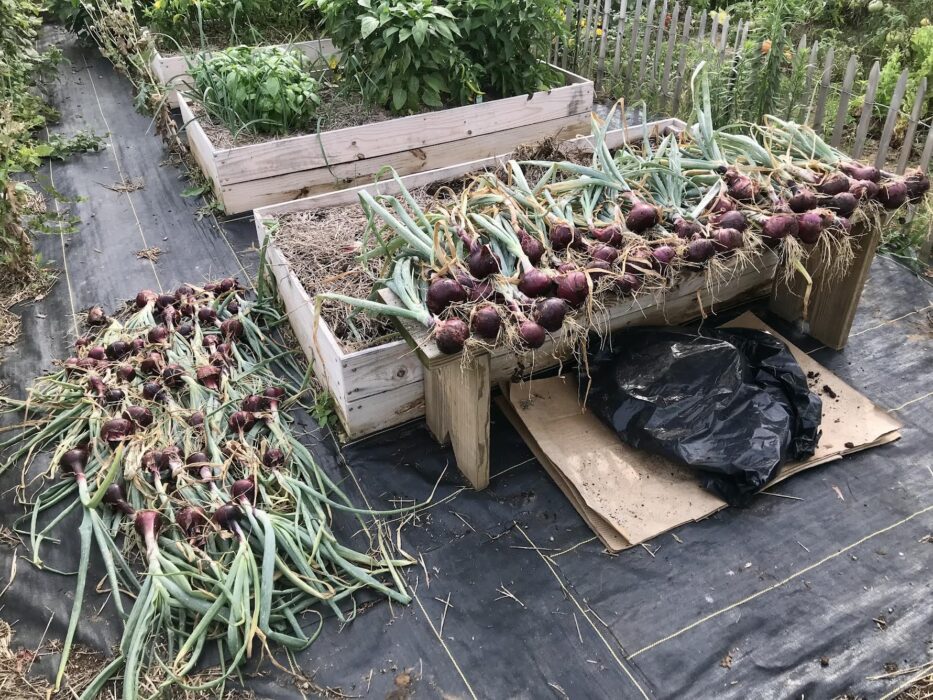
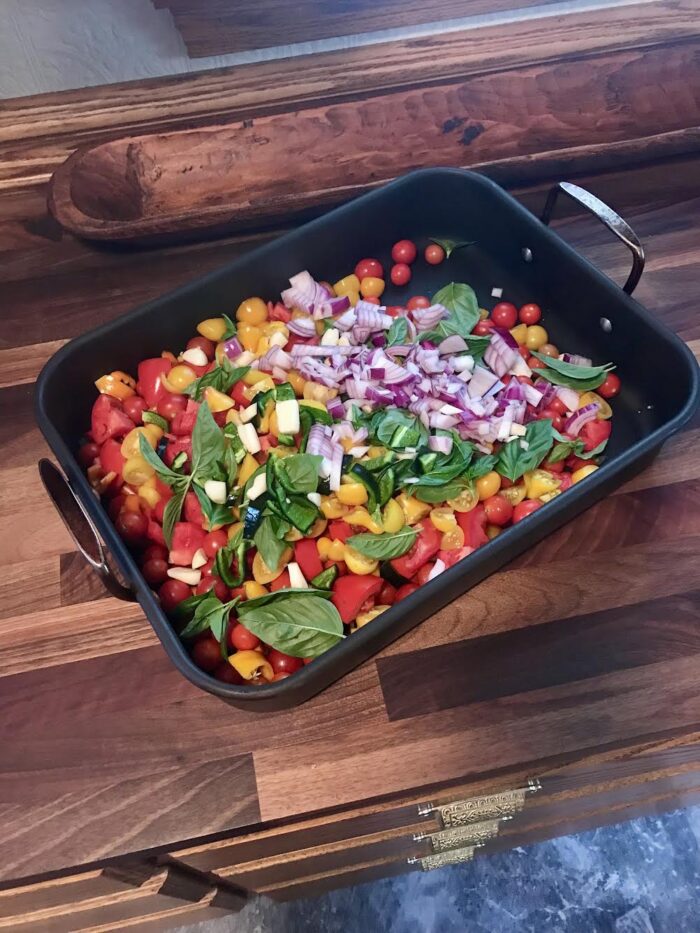
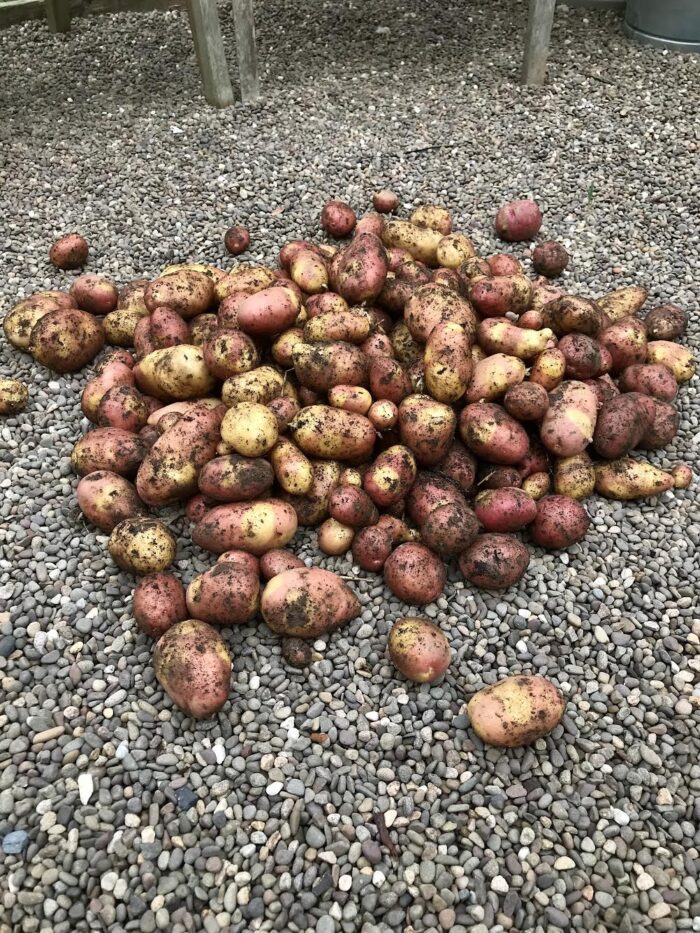
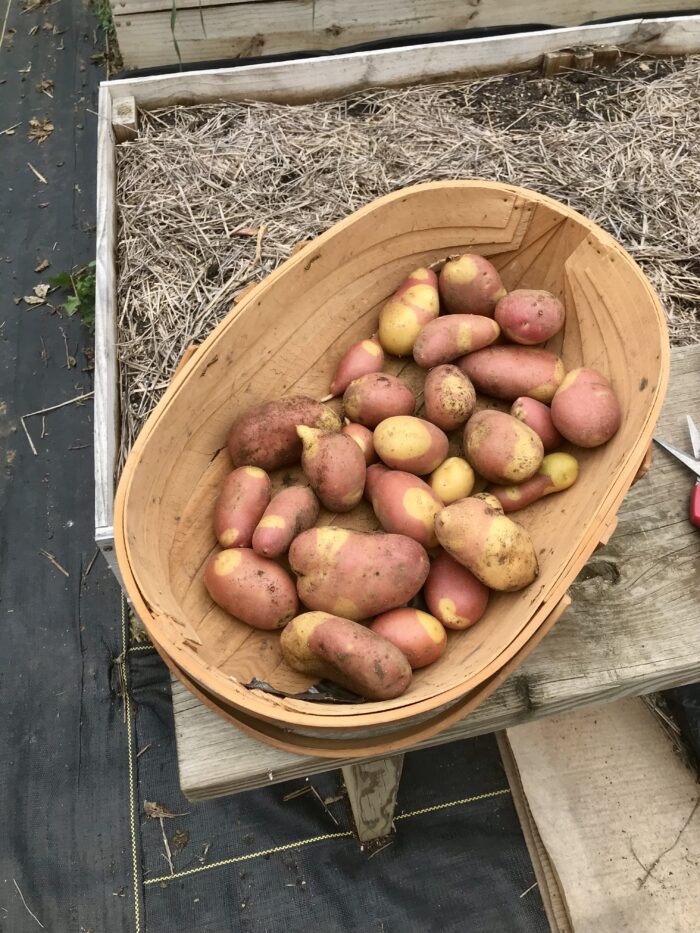
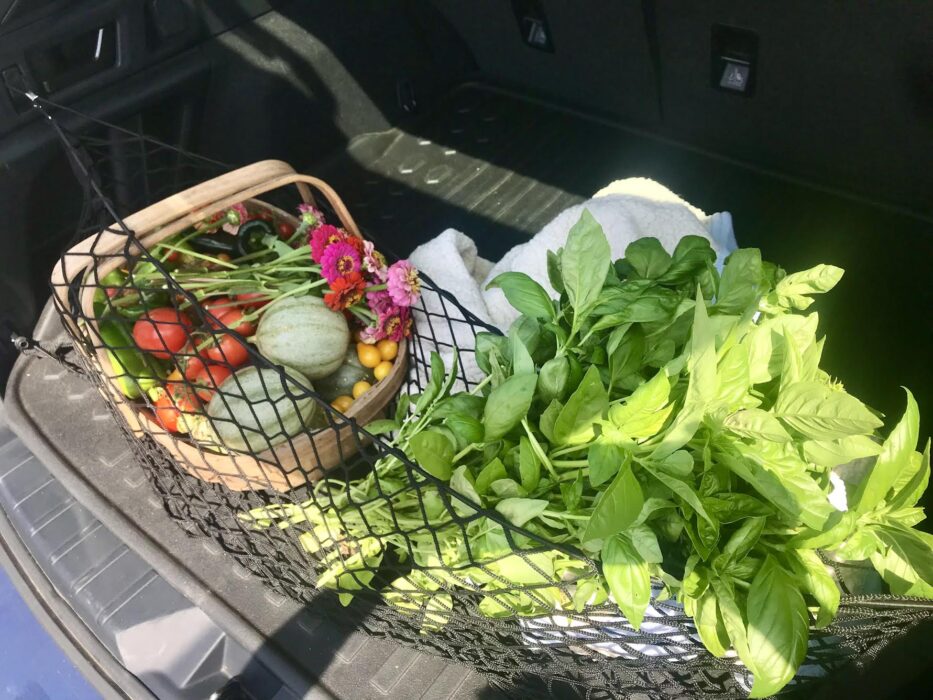
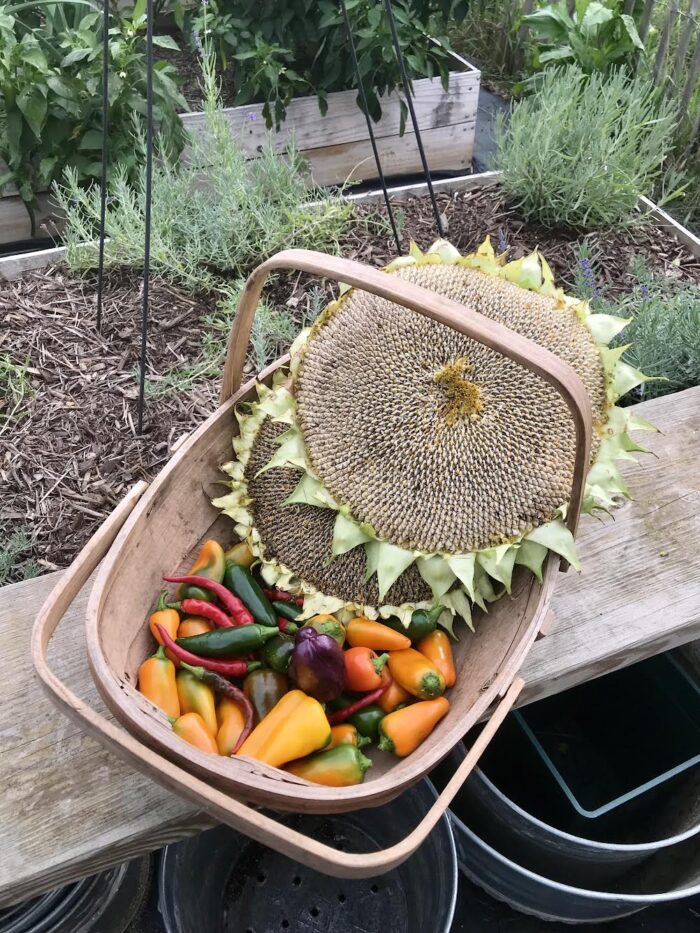
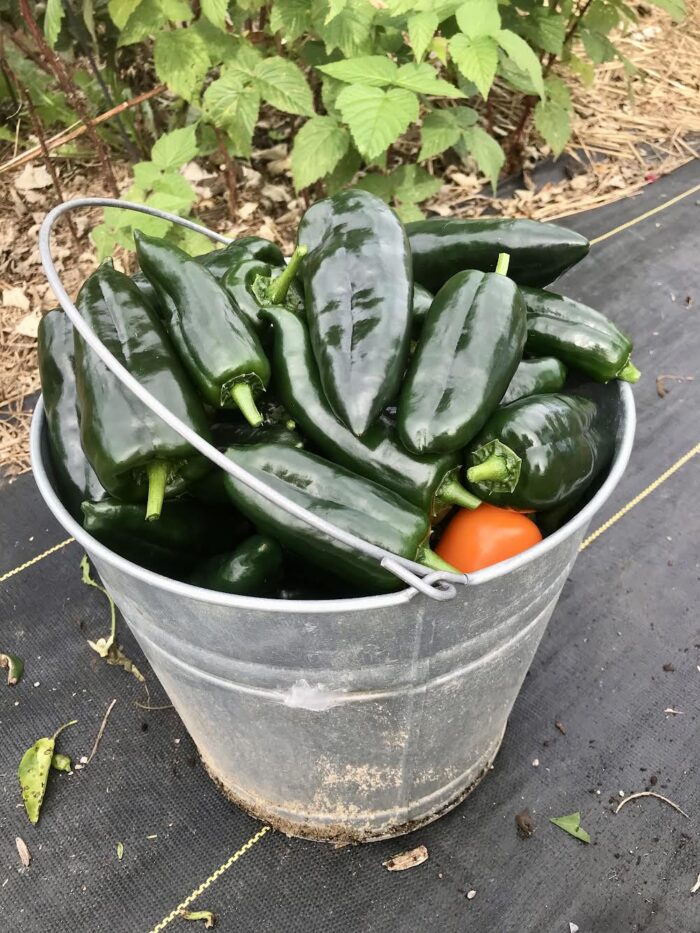
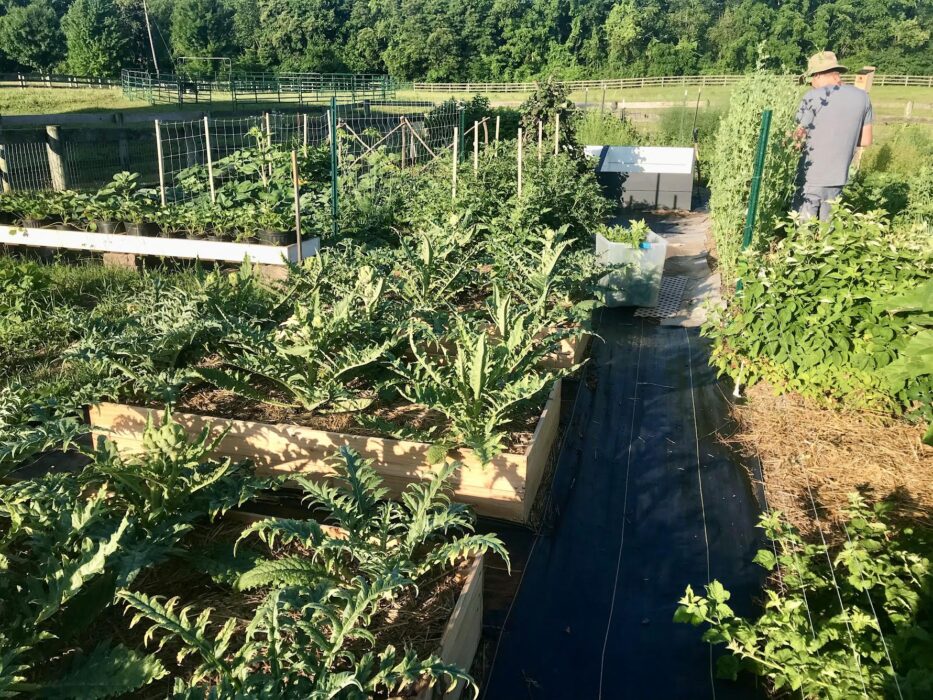
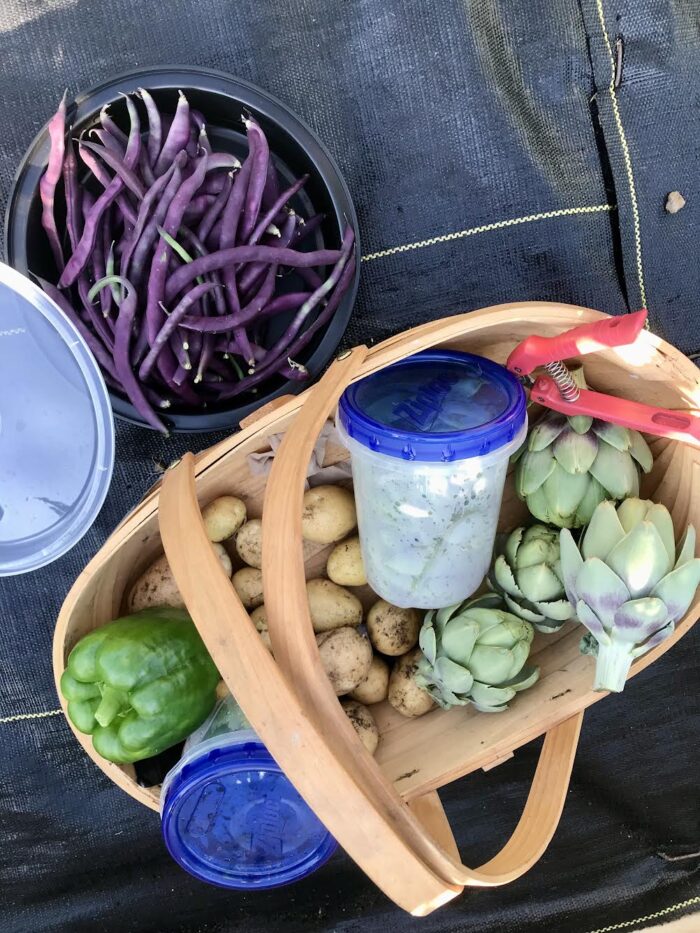
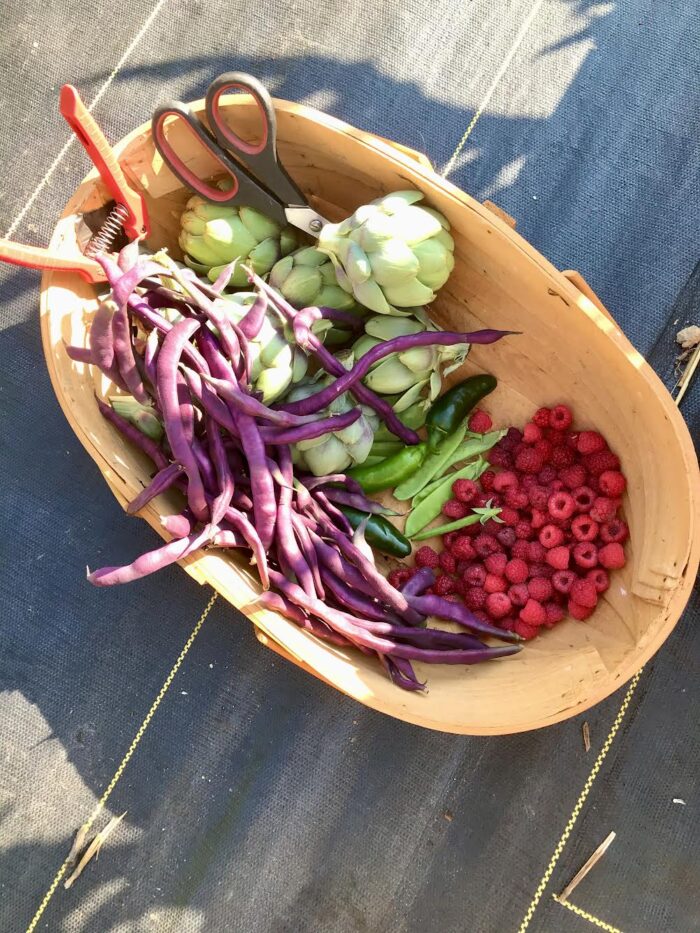
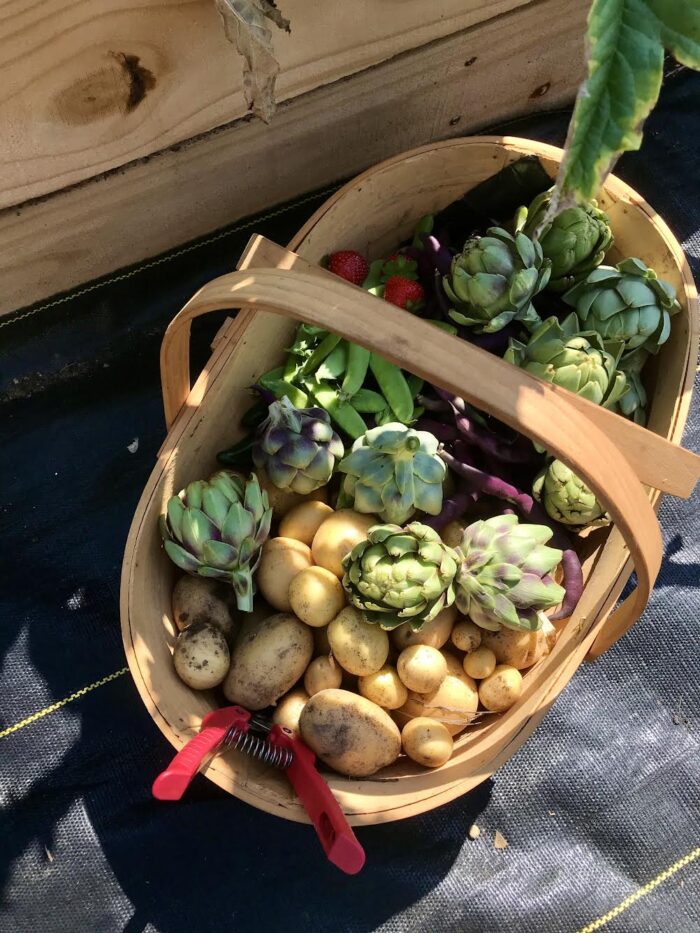
2021: This was quite honestly the last time we had a really epic harvest. The weather was perfect for tomatoes and peppers and we went into that winter with a lot stored in our freezer. We also grew lots of raspberries, artichokes, onions, potatoes, beans, cucumbers, herbs and even melons! We continued to build good soil by applying a thick layer of compost to the garden in the spring and then again in the autumn. (Note: although we make our own compost, our community garden also gives us free compost as part of our annual fee.)
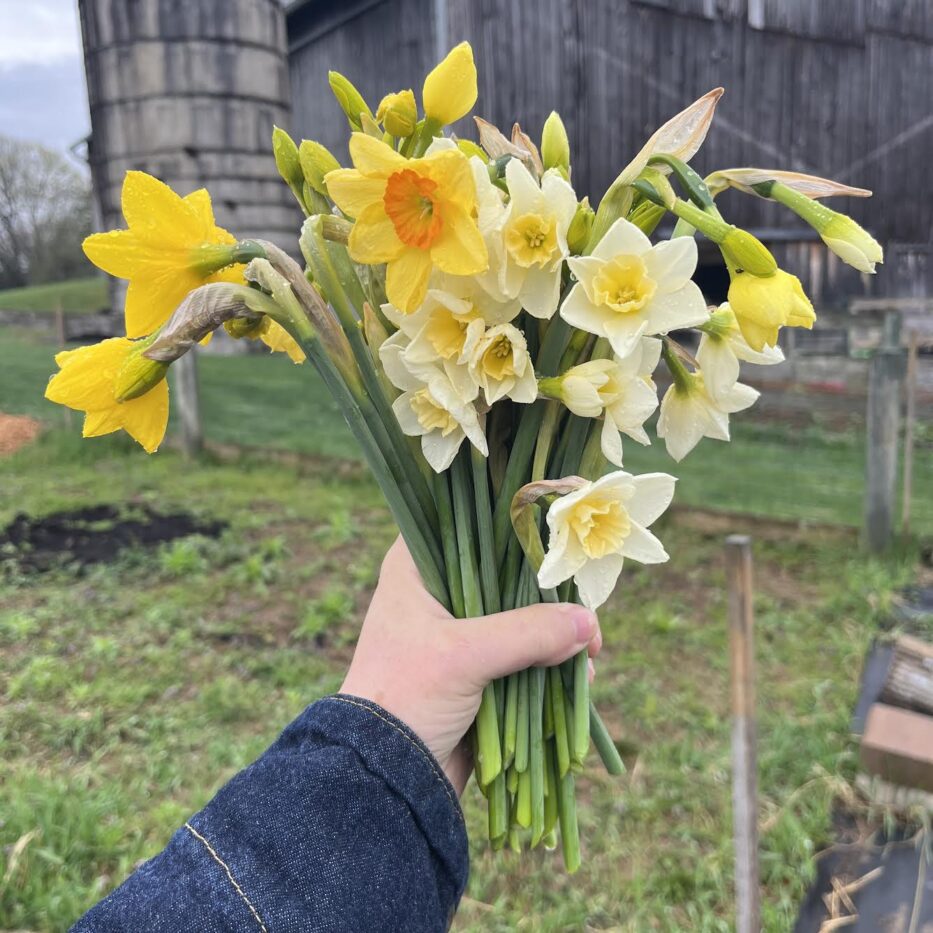
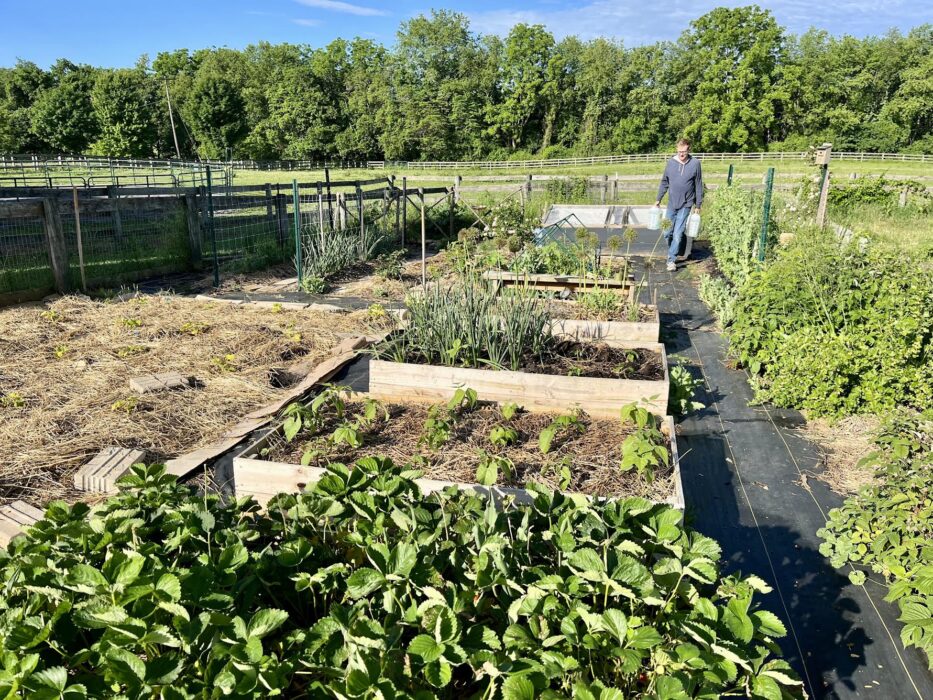
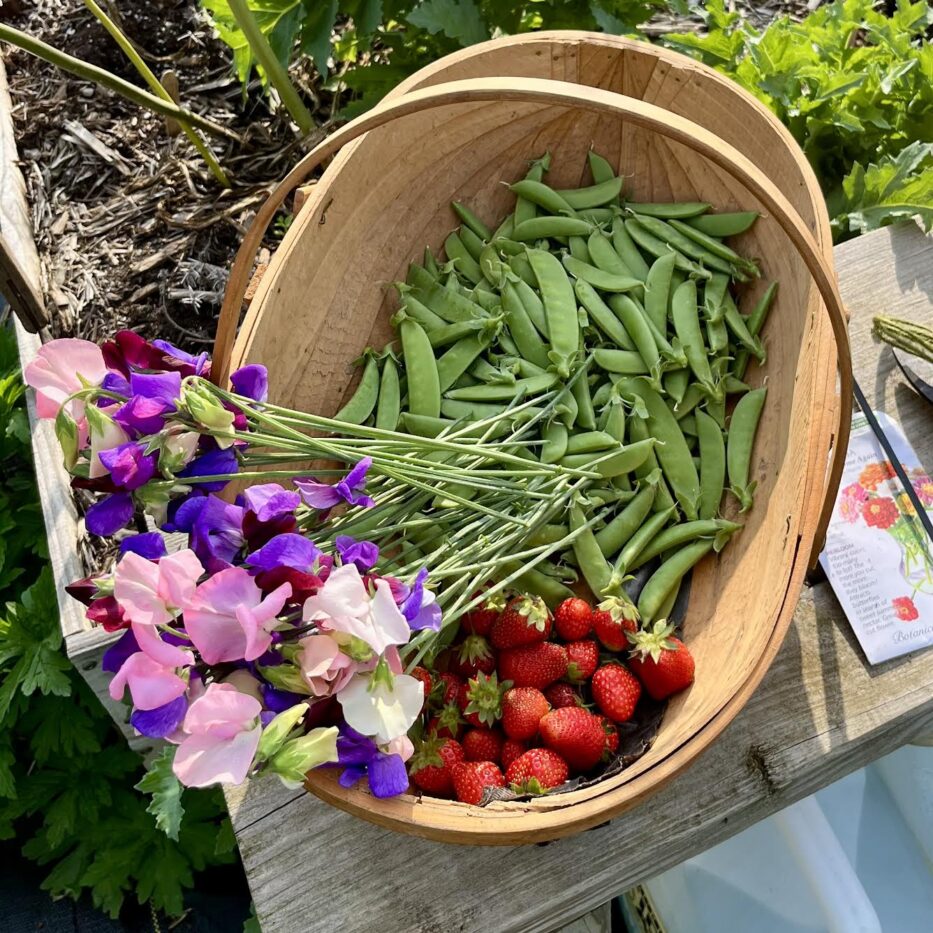
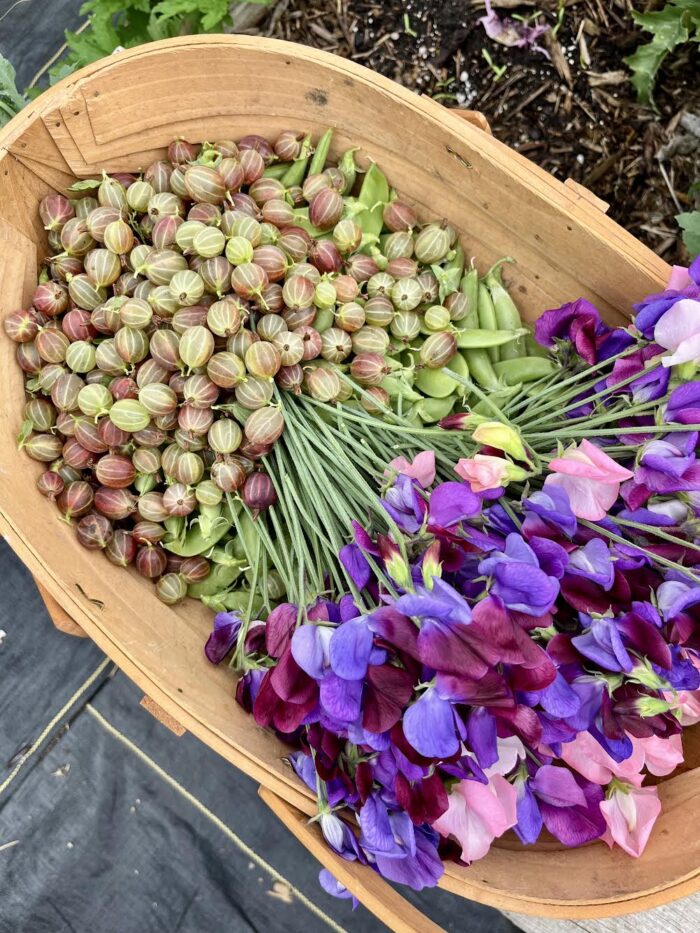
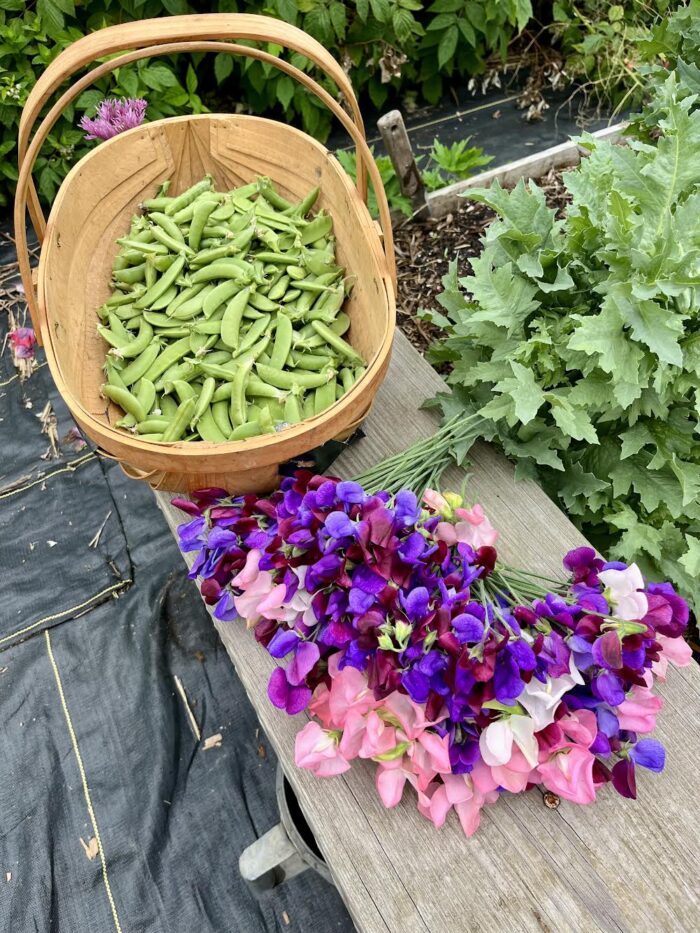
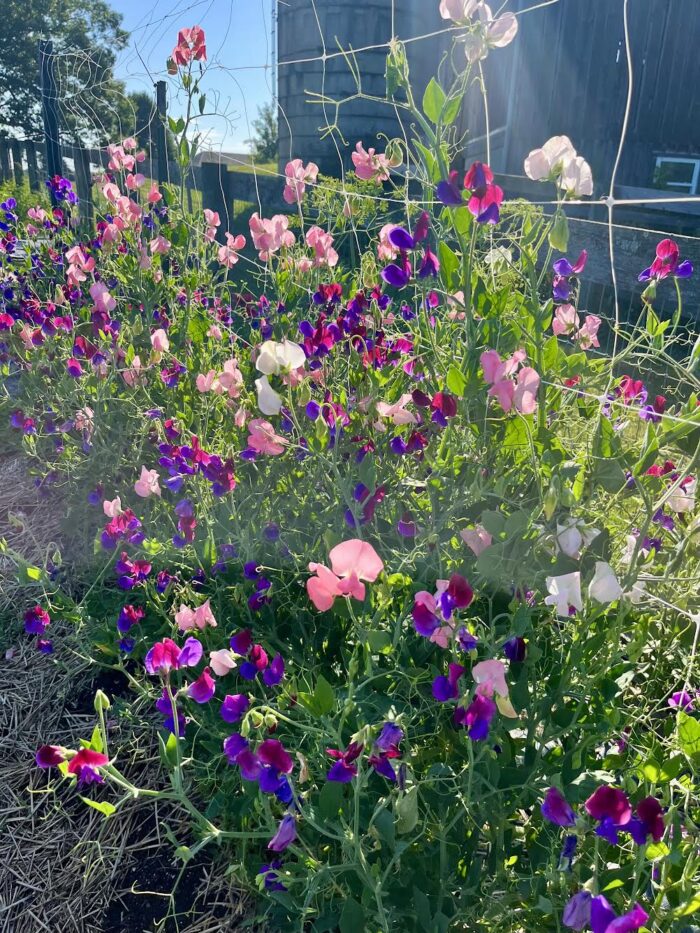
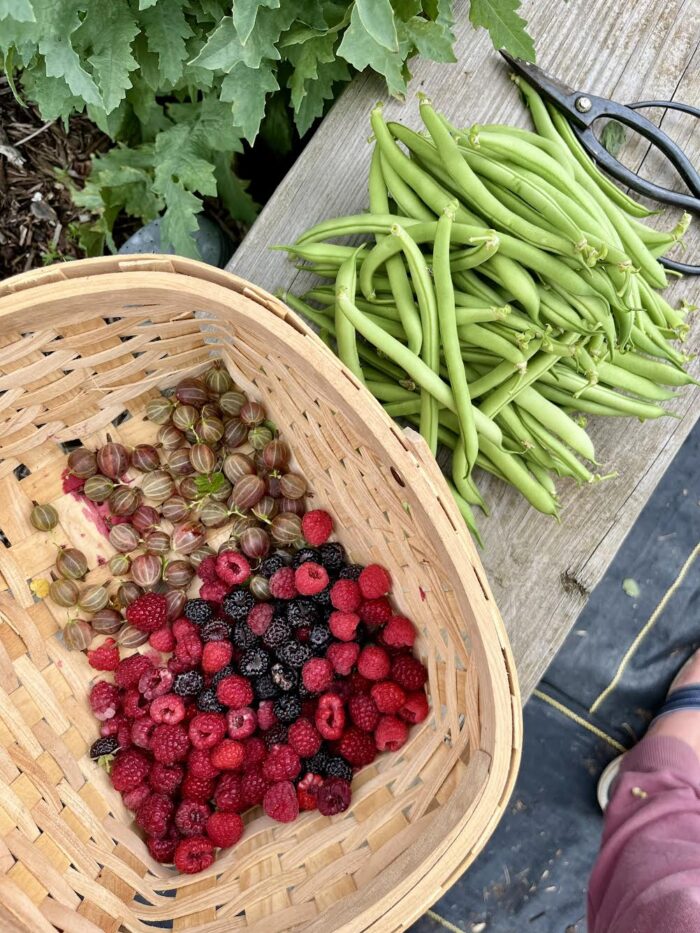
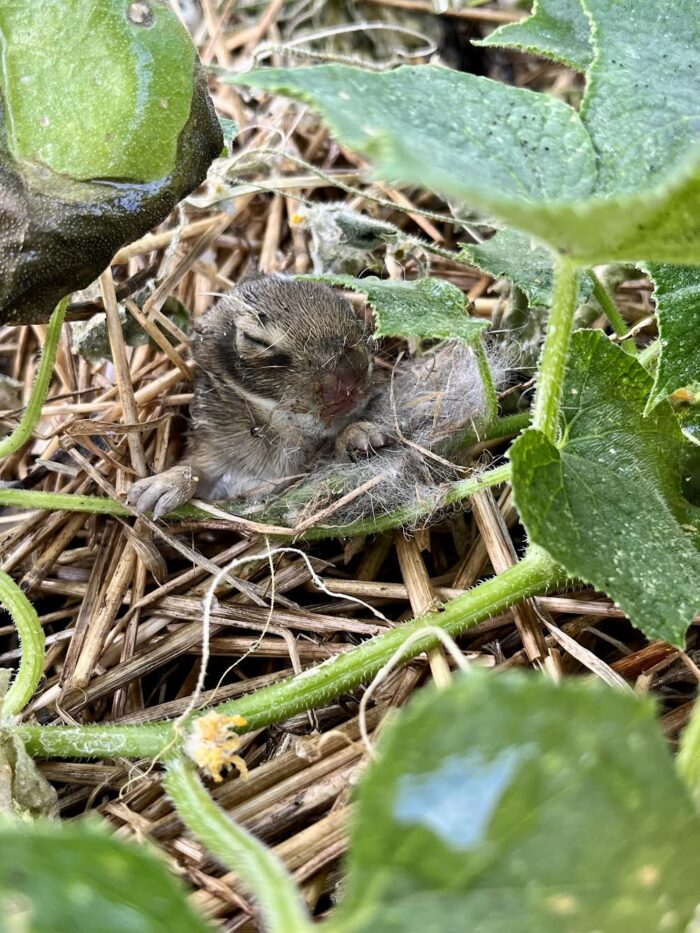
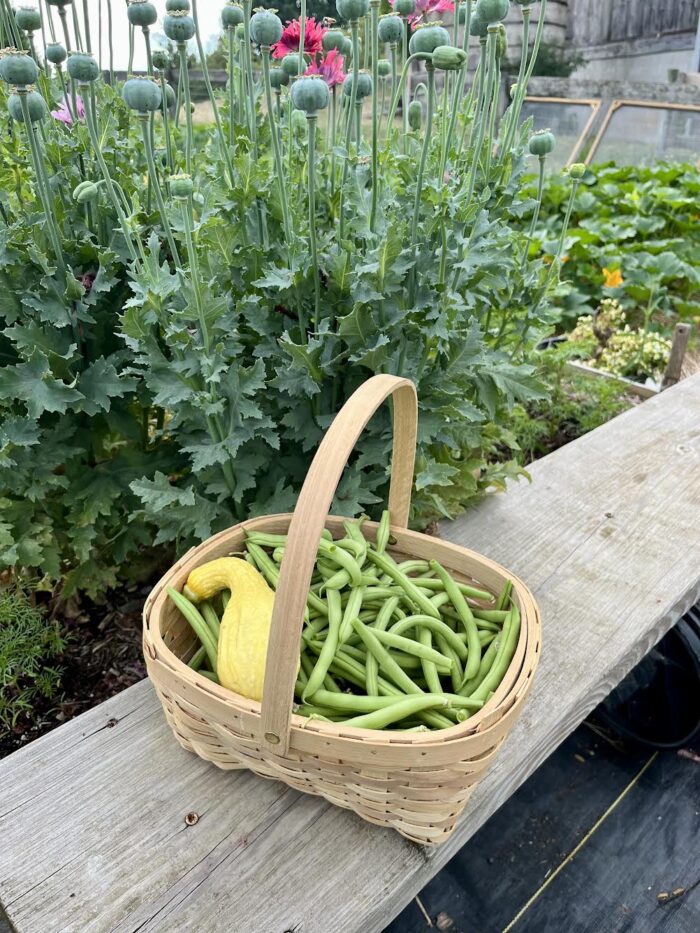
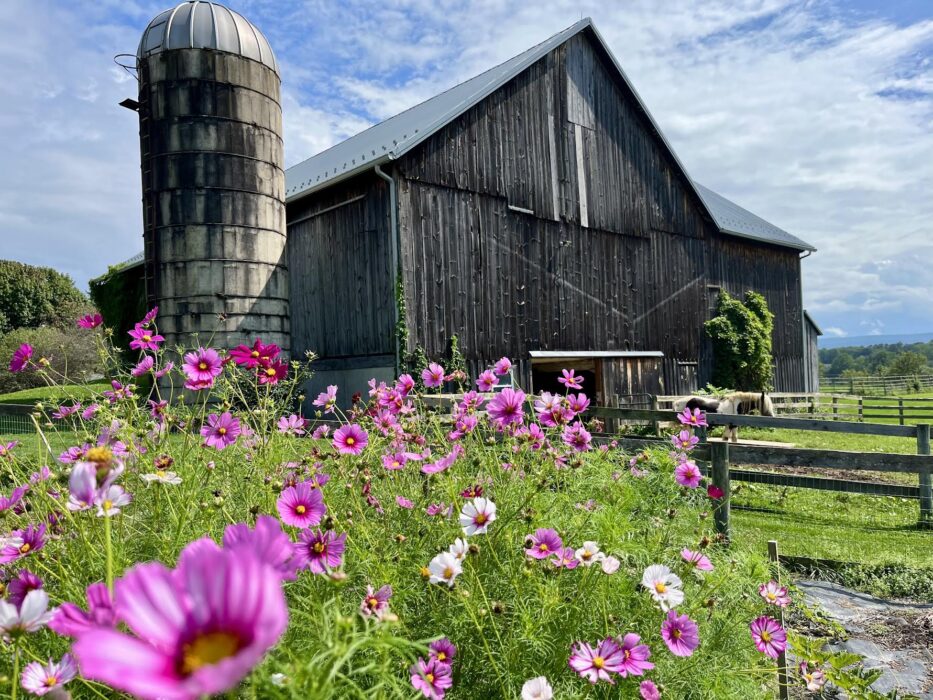
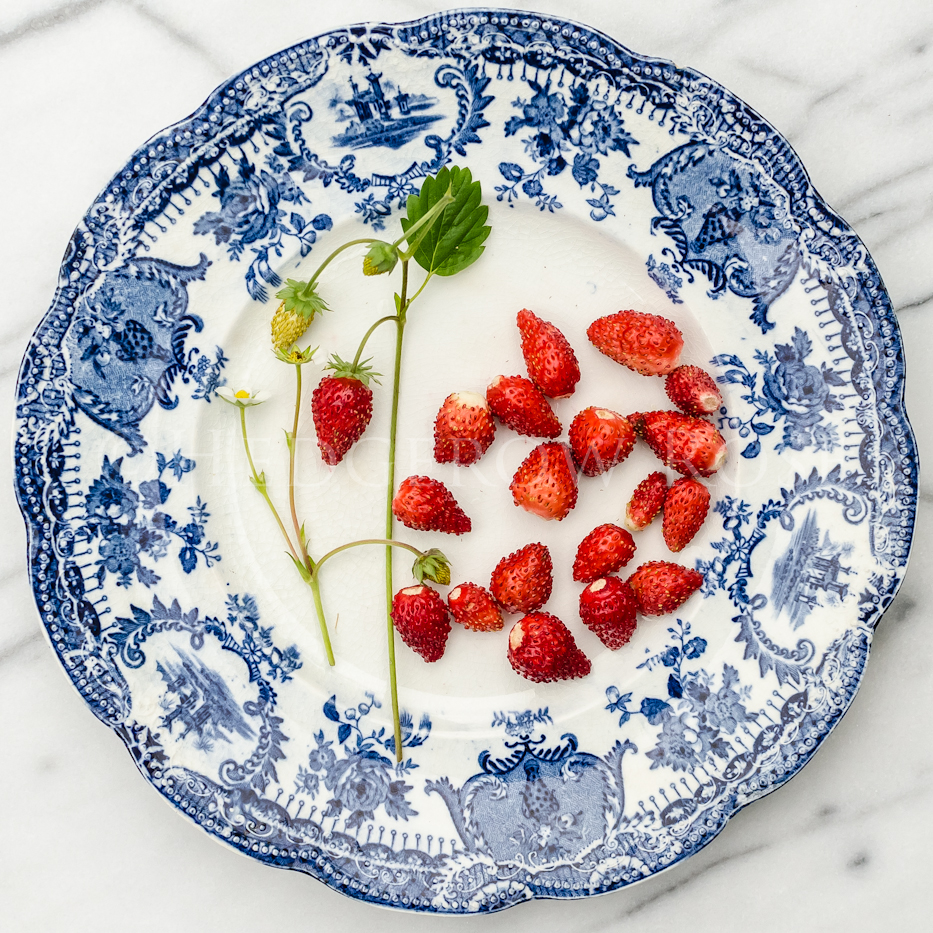
2022: This was the year we managed to get that 4th and final plot! We shifted about half the garden to growing cut flowers like daffodils, sweet peas and cosmos. We also added some more soft fruit shrubs like the gooseberry busy which produces SO MUCH JAM. The poppies came up from seeds I had spread the previous winter. They were collected from ones we grew in previous gardens and they have since hybridized and continue to come up every spring.
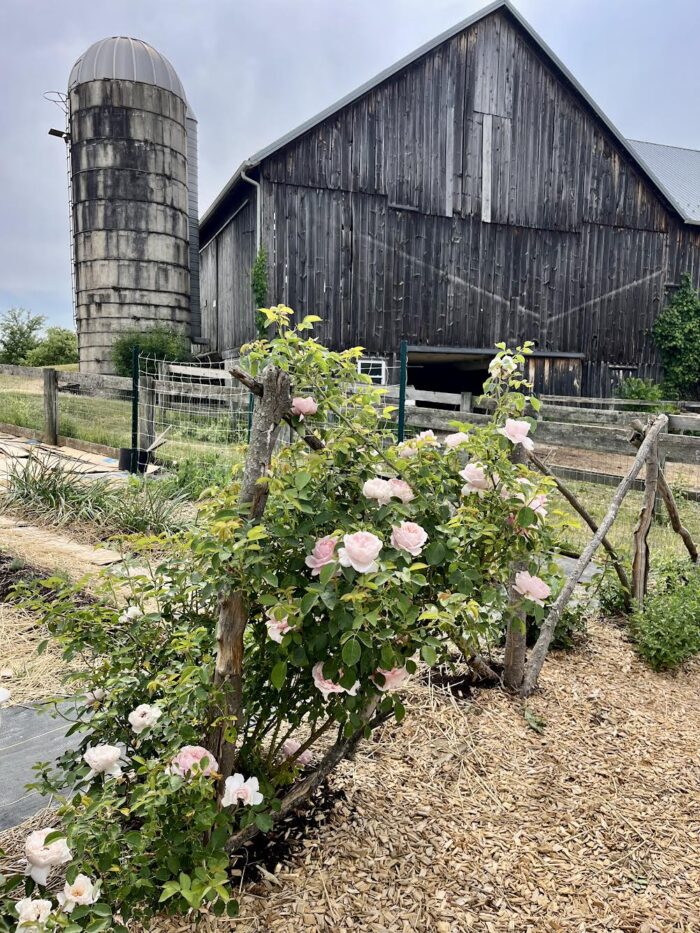
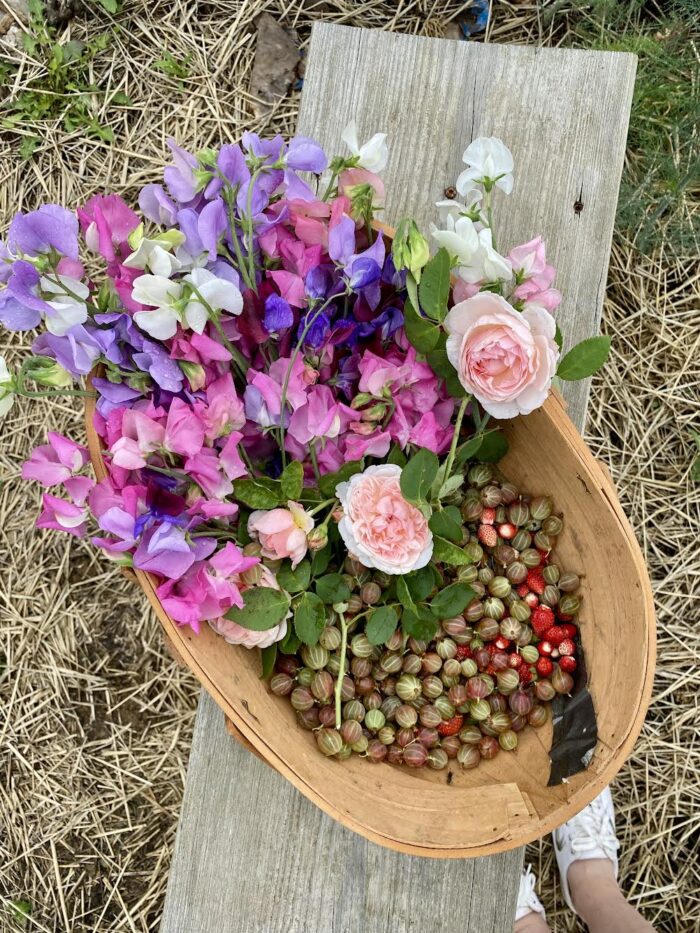
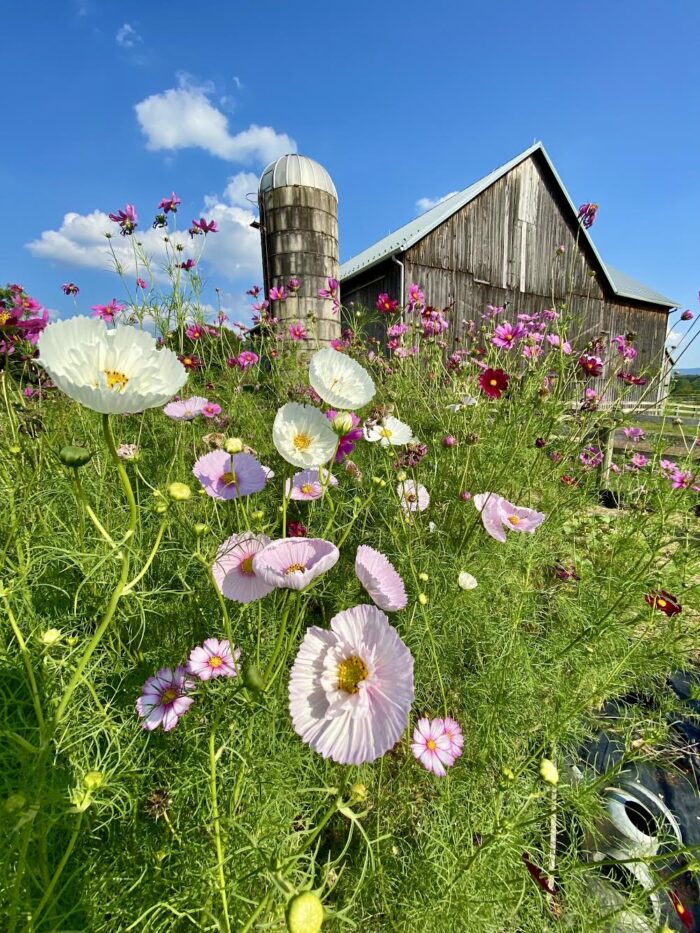
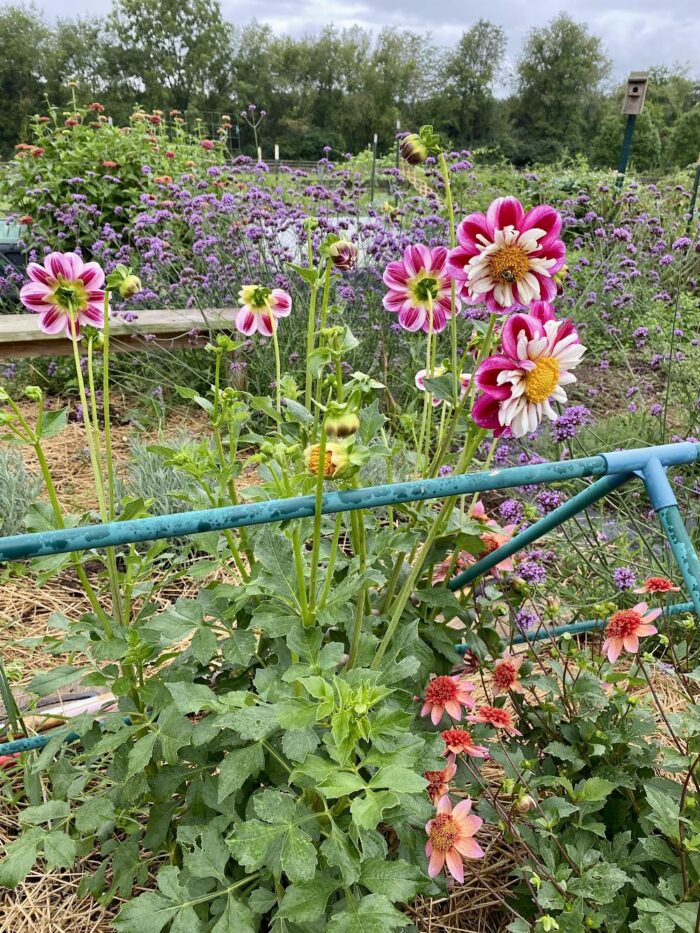
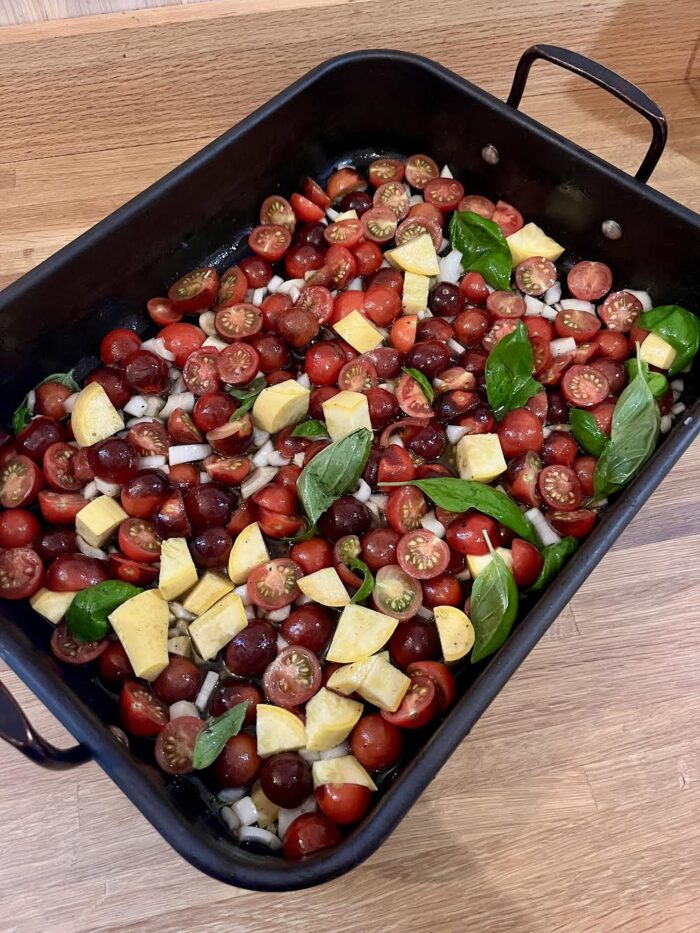
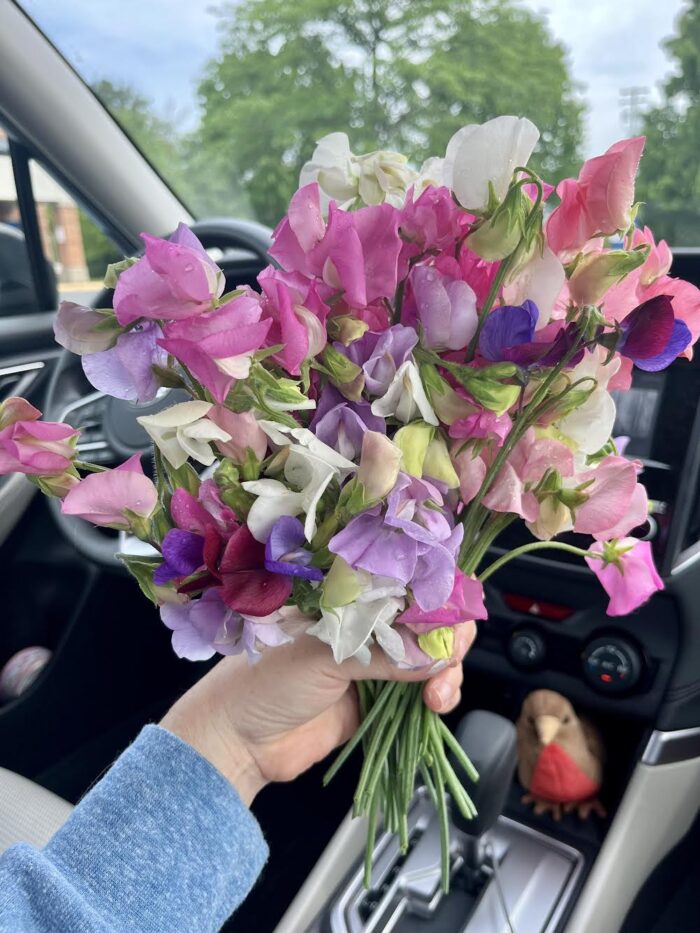
2023: This was the year where we just kept our allotment ticking over while we focused on some projects in our new home. I also made the mistake of sowing some saved Verbena bonariensis seeds which I regret as they’ve become a bit of a thug and by the end of the growing season completely take over the garden plot. The weather has not been as kind to us the past few years, not like it was in 2021, so our tomato harvest has been quite poor. We’ve never been able to grow a good pepper since, either! If I’m being honest, I think this was the year we started to lose our way with the allotment. It started to get a bit unkempt and unbalanced in terms of flowers vs. veggies.
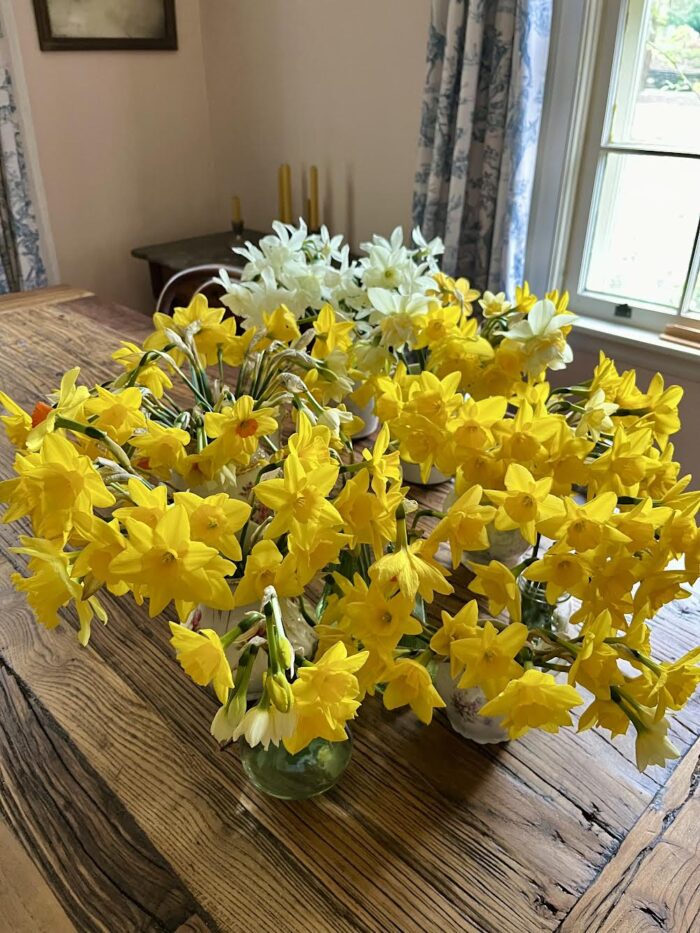
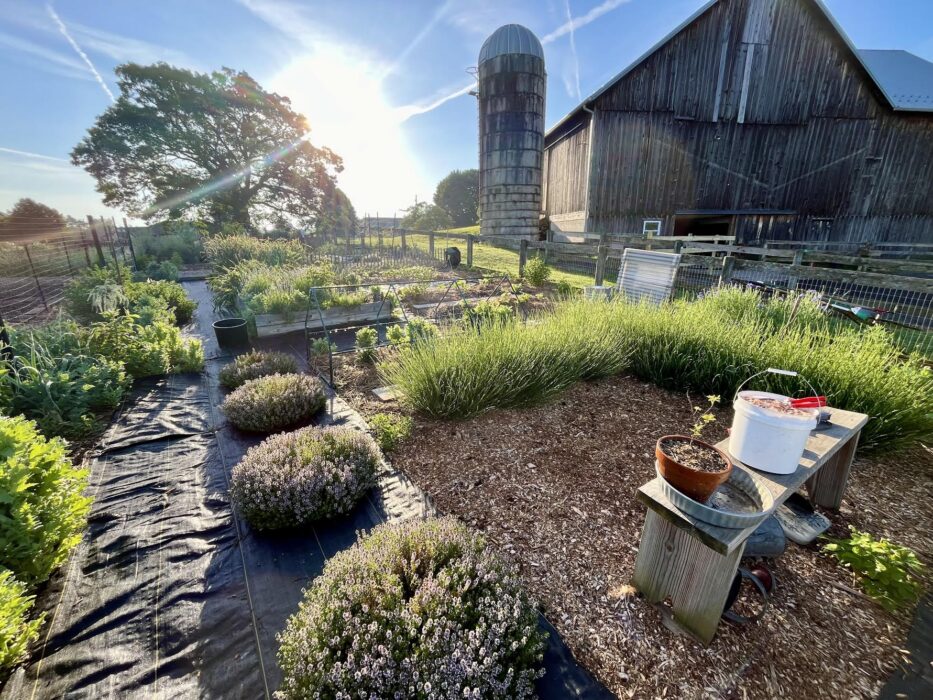
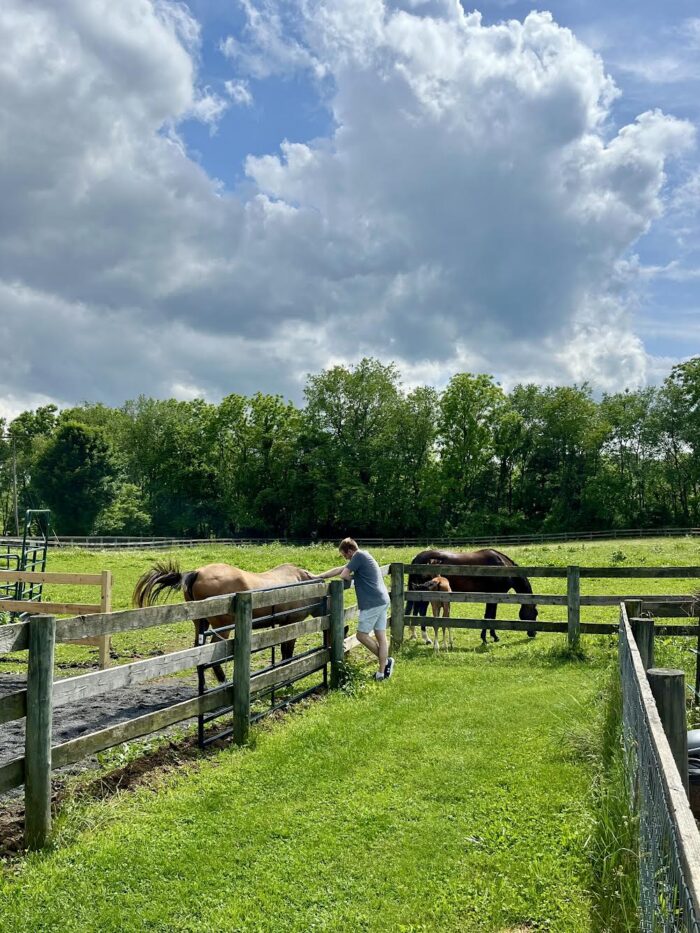
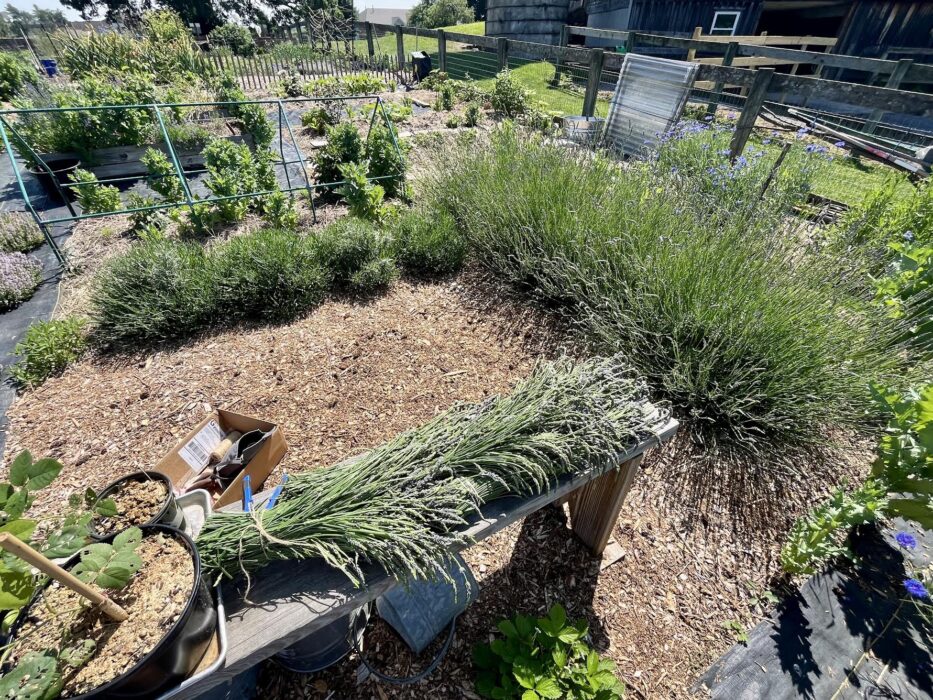
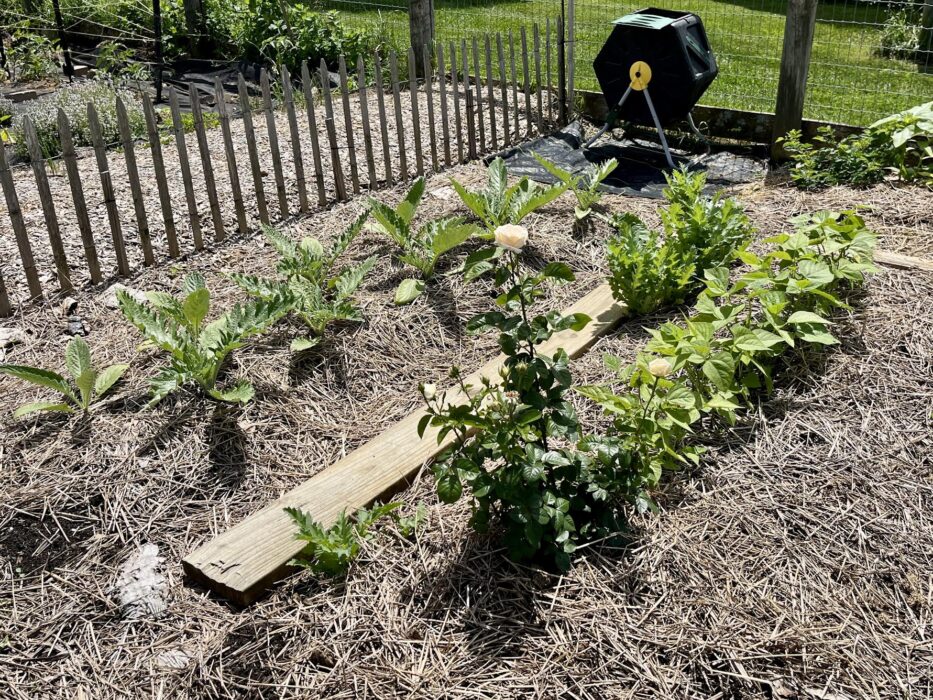
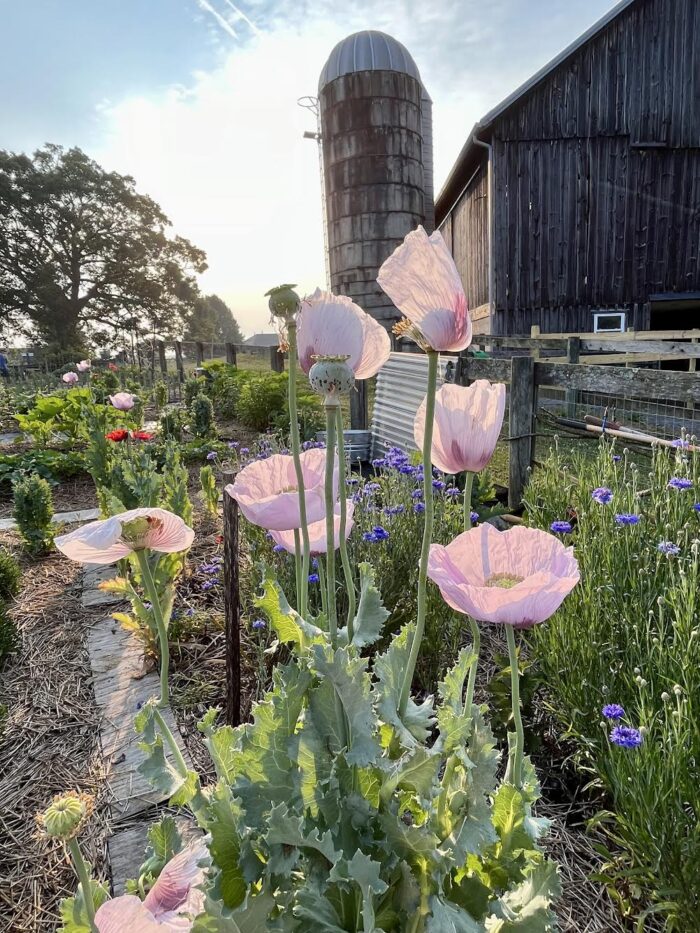
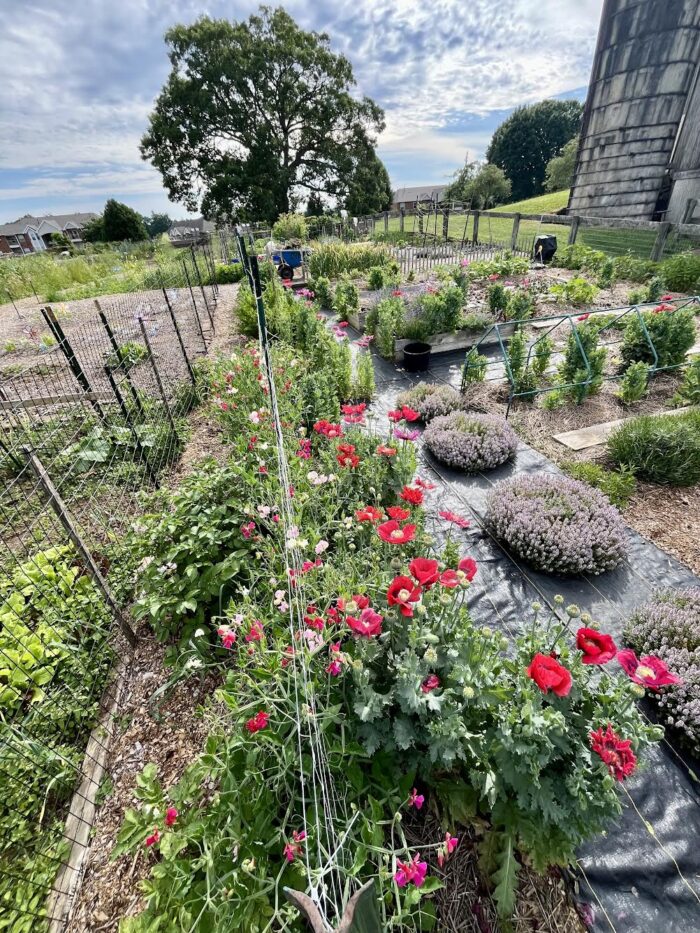
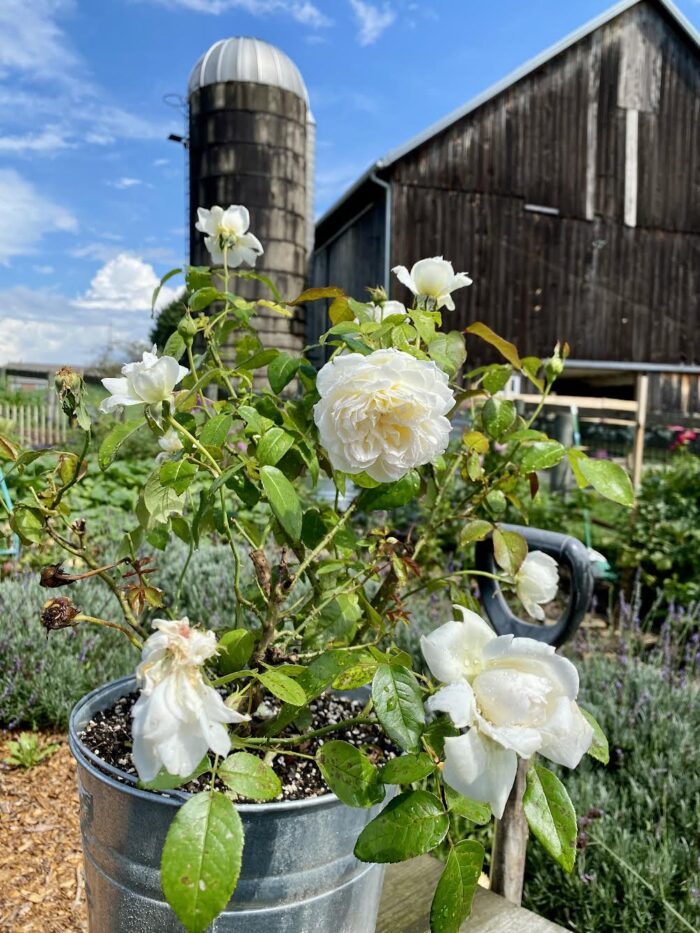
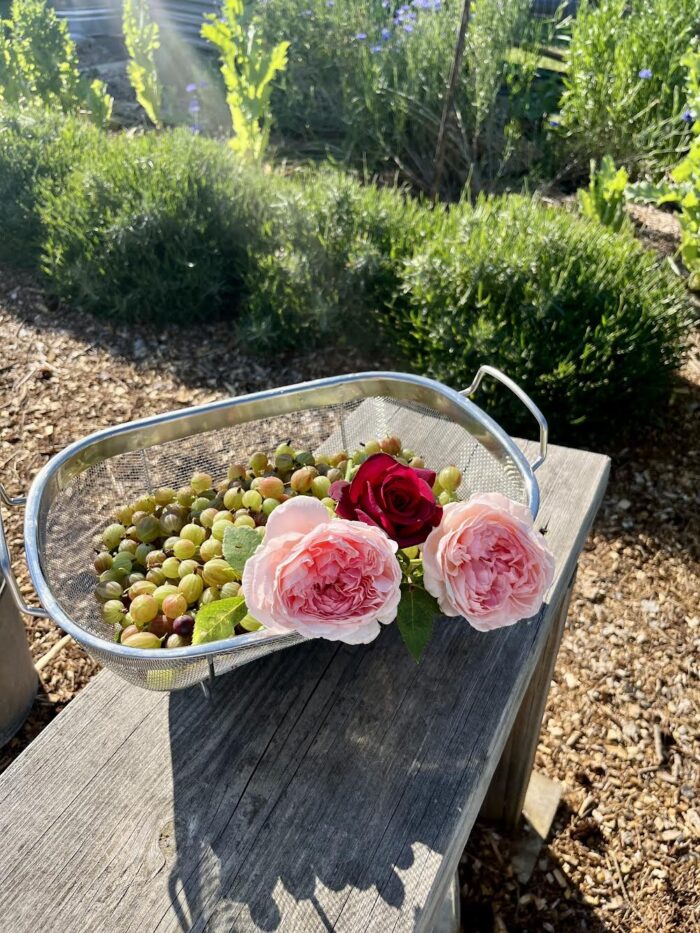
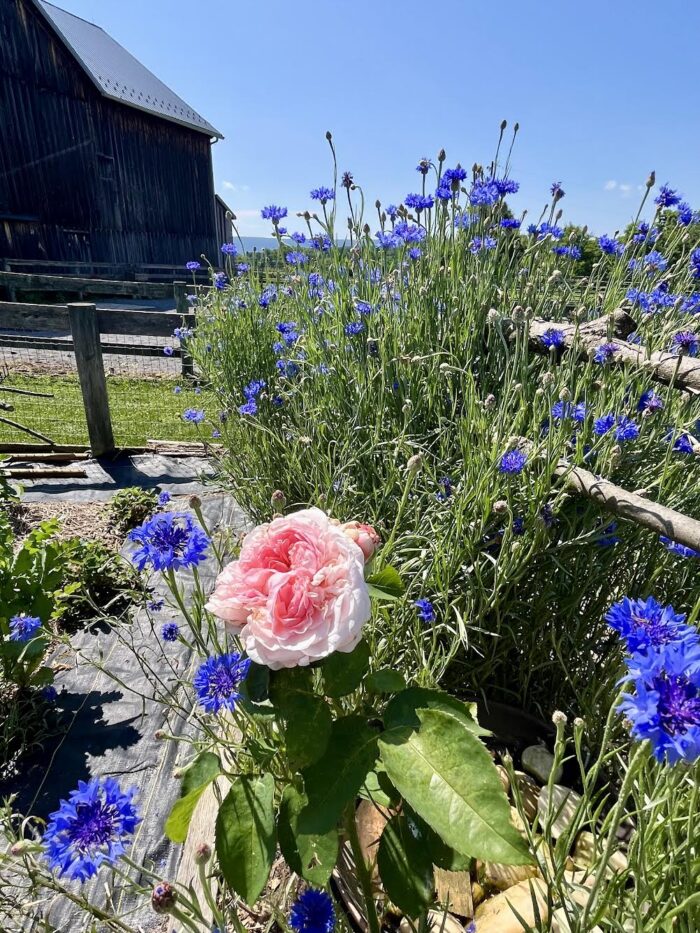
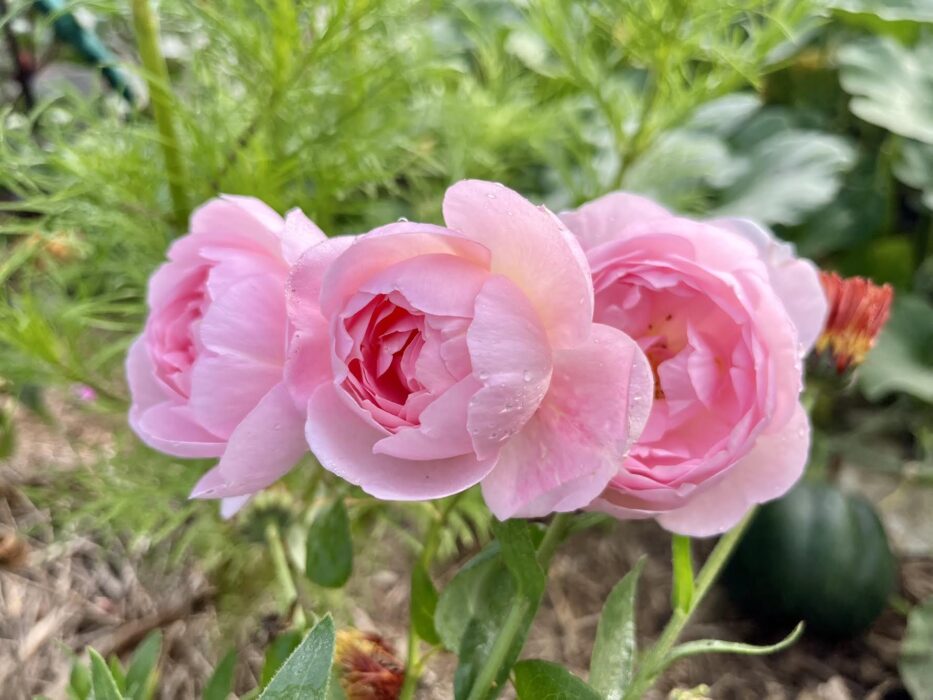
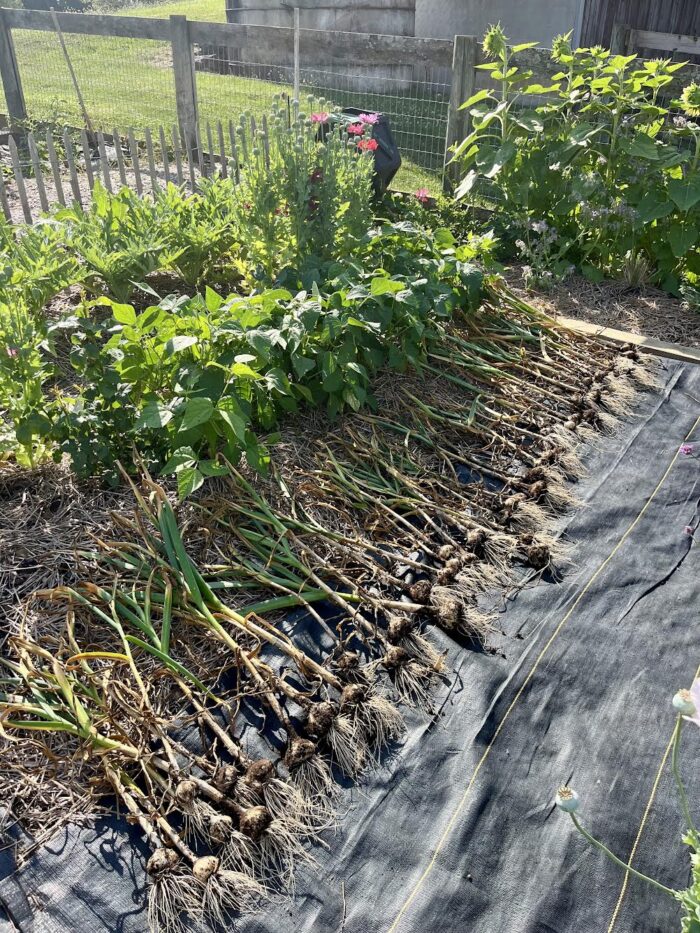
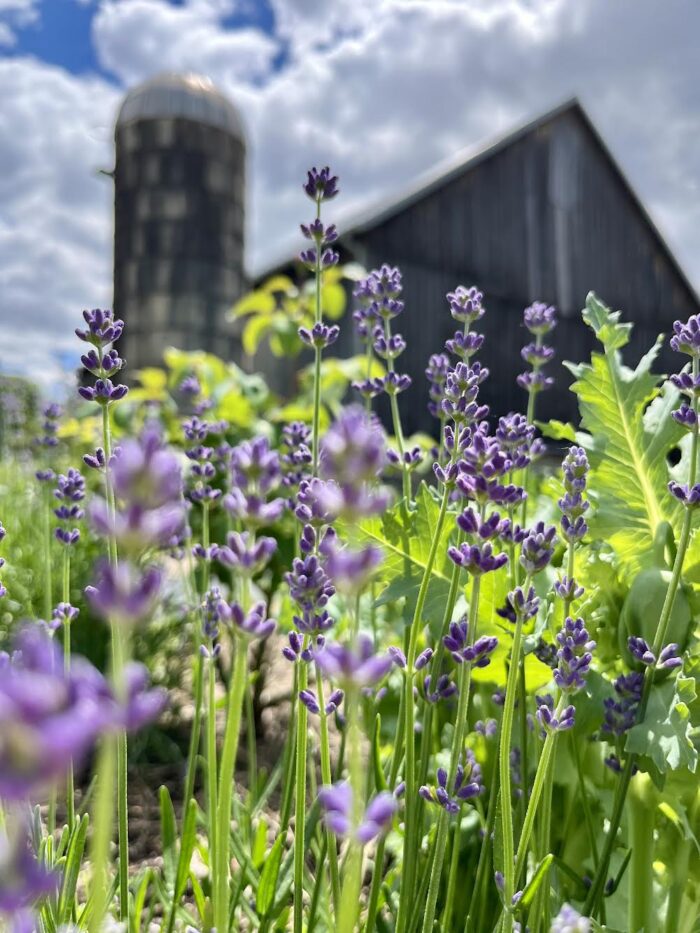
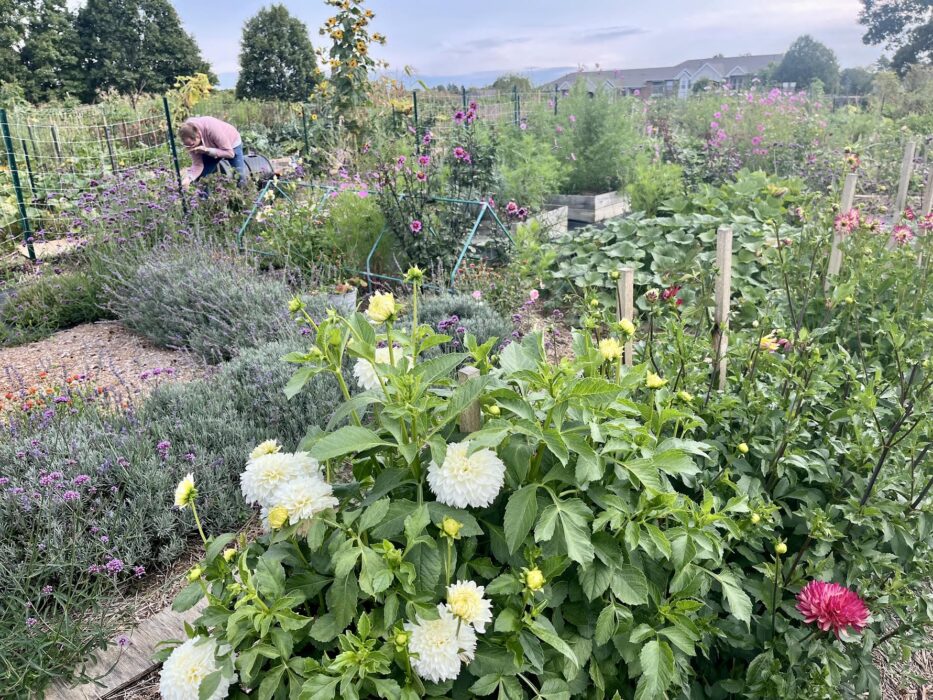
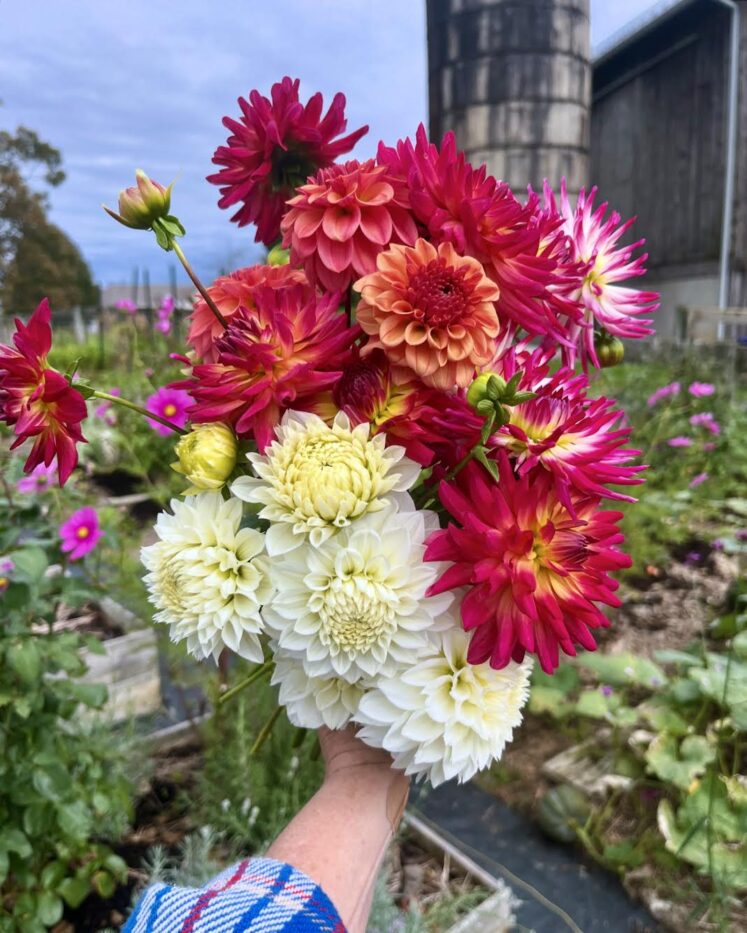
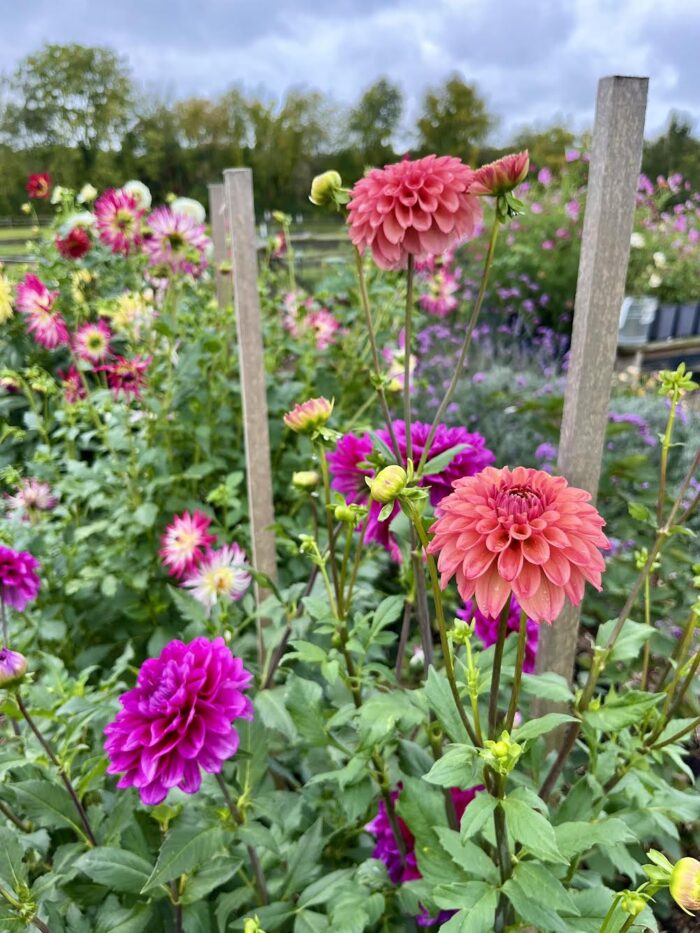
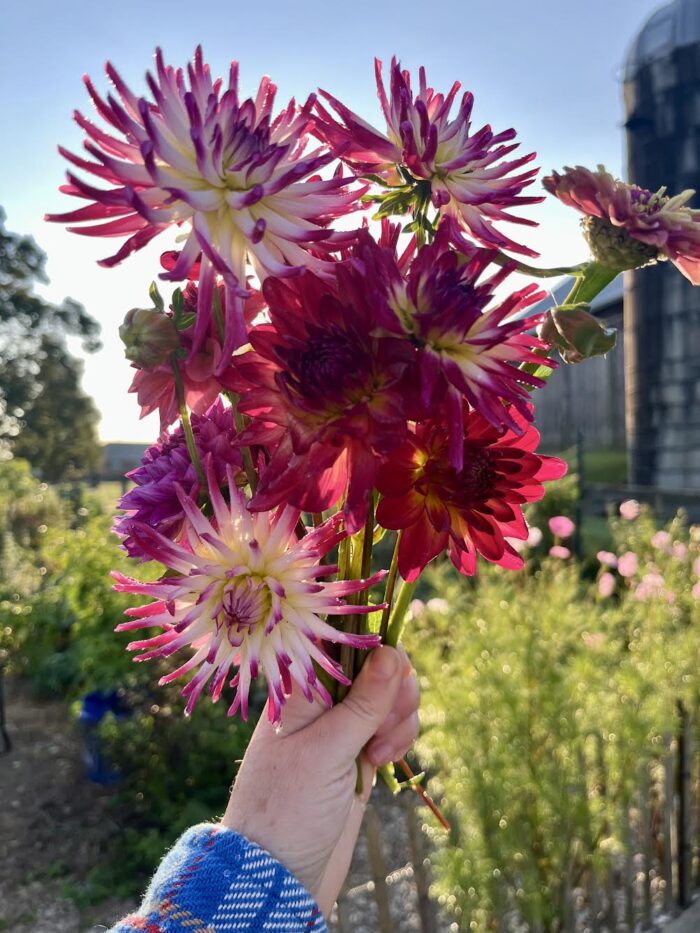
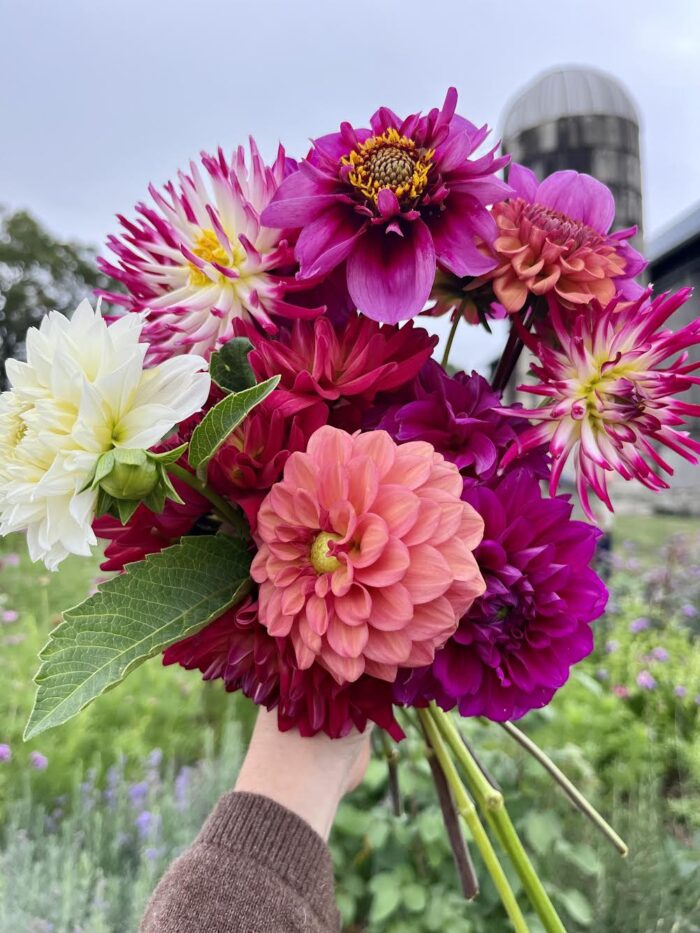
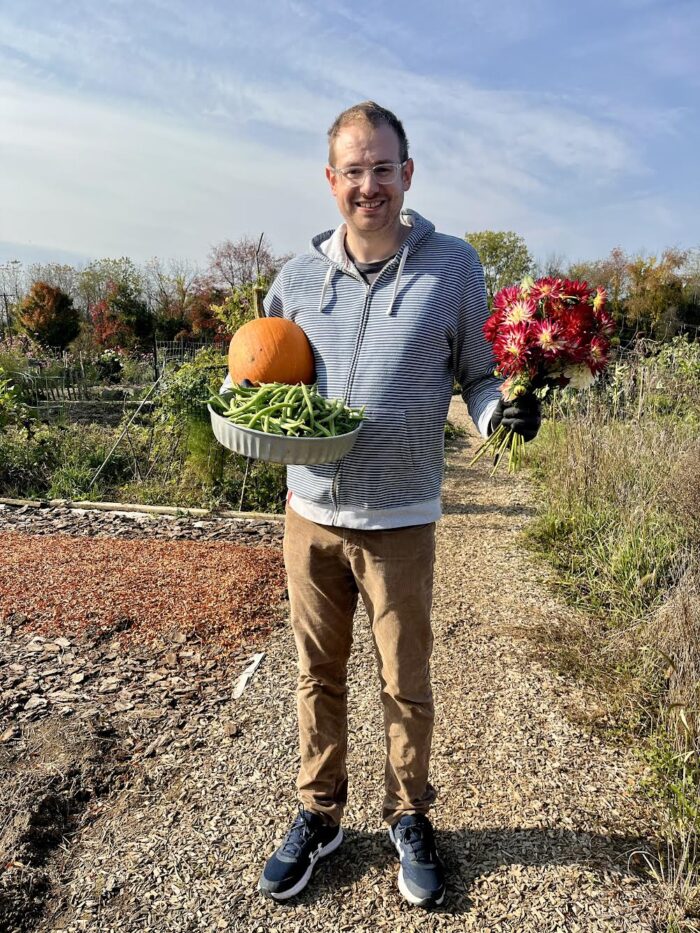
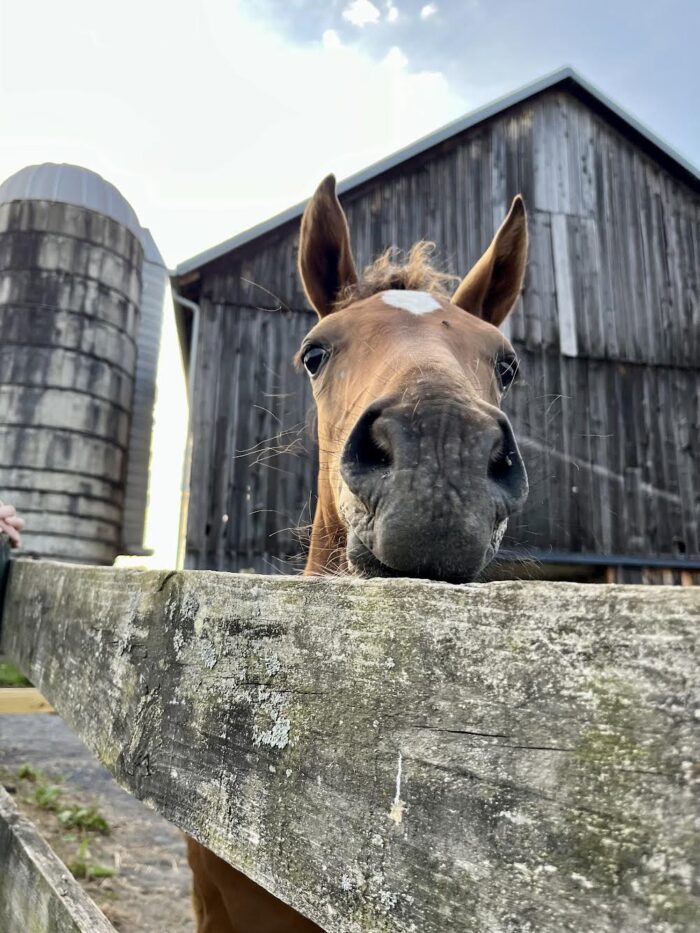
2024: The big news of 2024 was when a foal was born in the field of the farm next door! It was so exciting meeting her and watching her grow up that summer. You can read more about these rare types of horses HERE. Also, when a neighbor had too many dahlia tubers and needed to get rid of some, we took them and tripled the size of our cut-flower dahlia patch. (We also tried overwintering them in the ground again that year–as we had done successfully the year before–but lost too many to freeze and I won’t do that again.) We started growing the best lavender cultivar ever. It’s called ‘Phenomenal’® and it truly lives up to the name. Feeling frustrated by the lack of sunlight in our home garden to grow many of my roses successfully, I moved dozens over to the allotment.
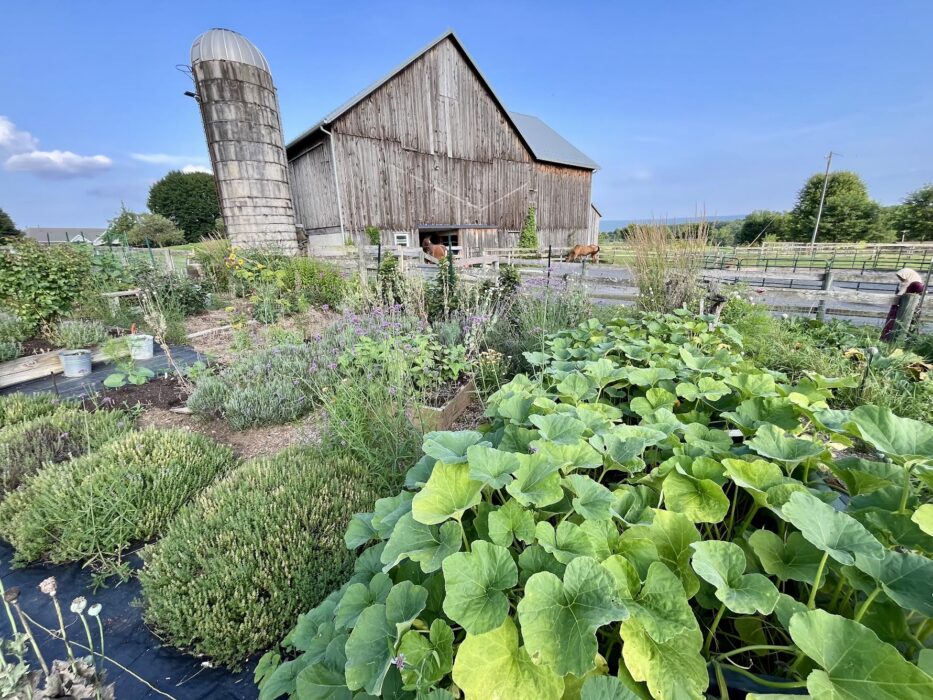
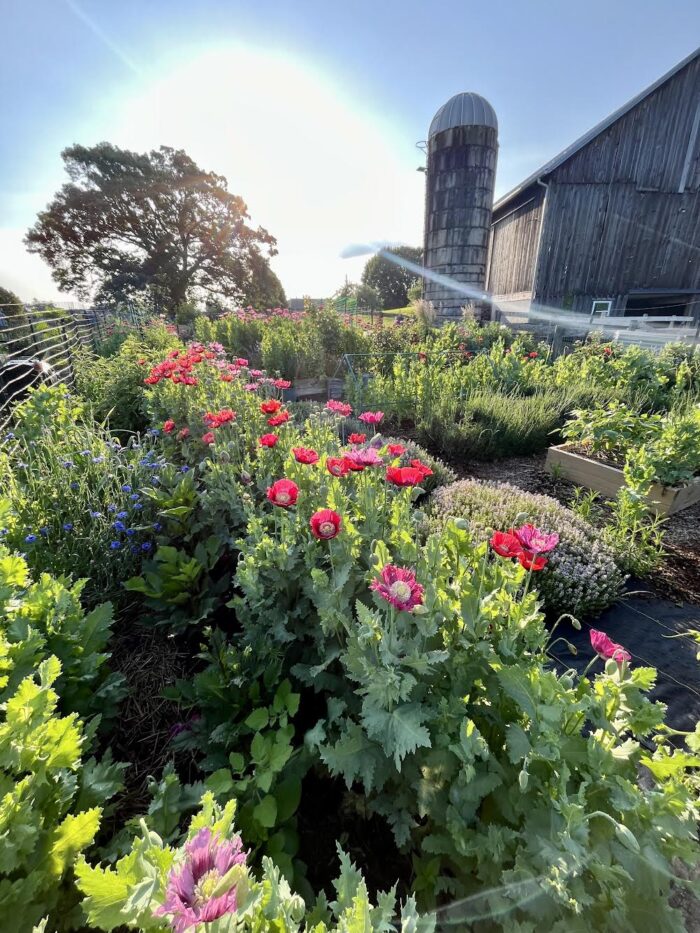
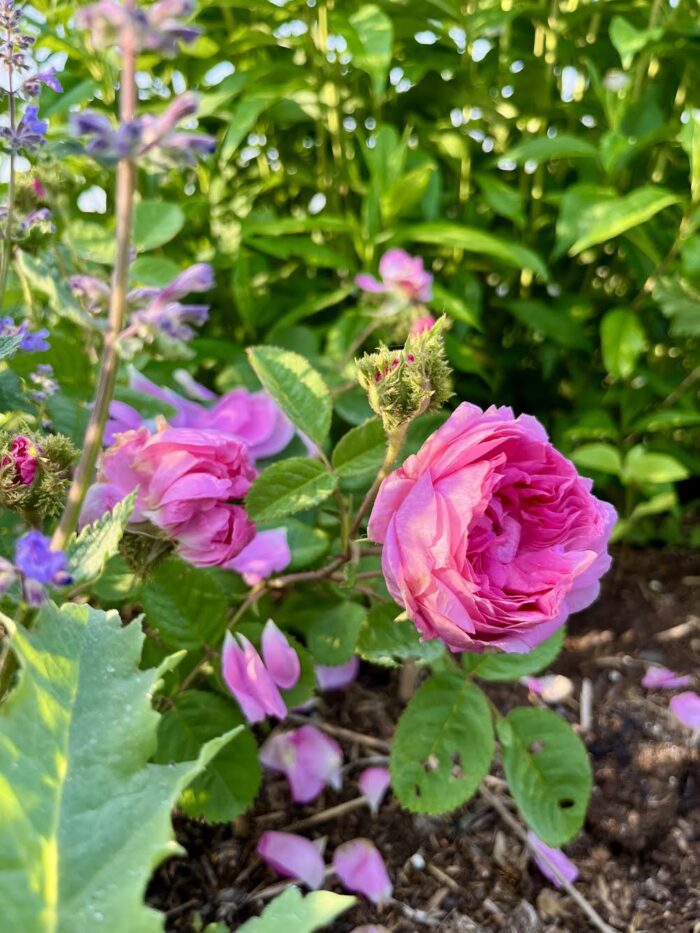
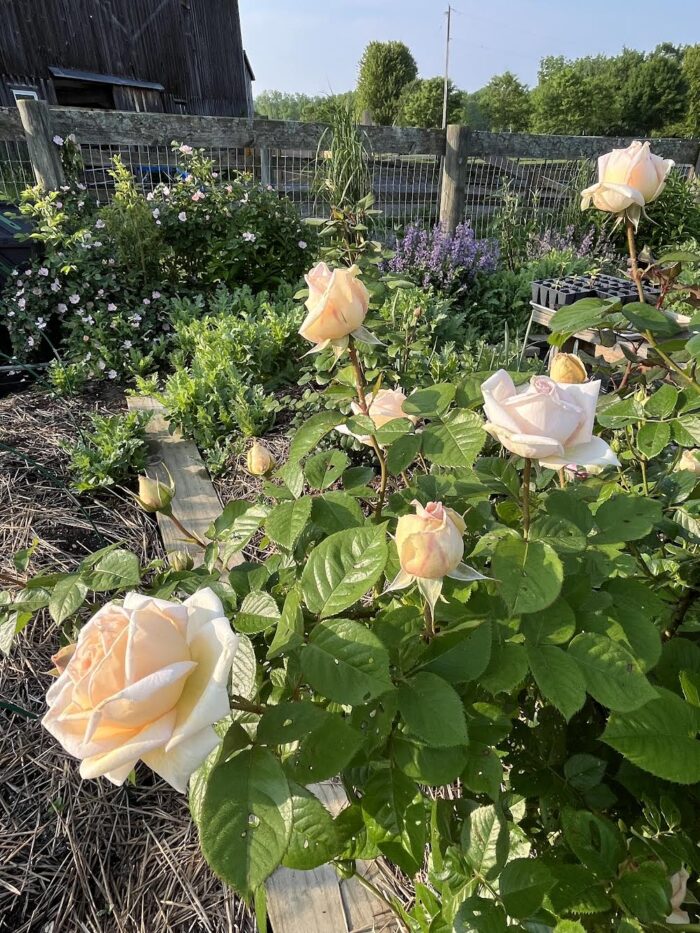
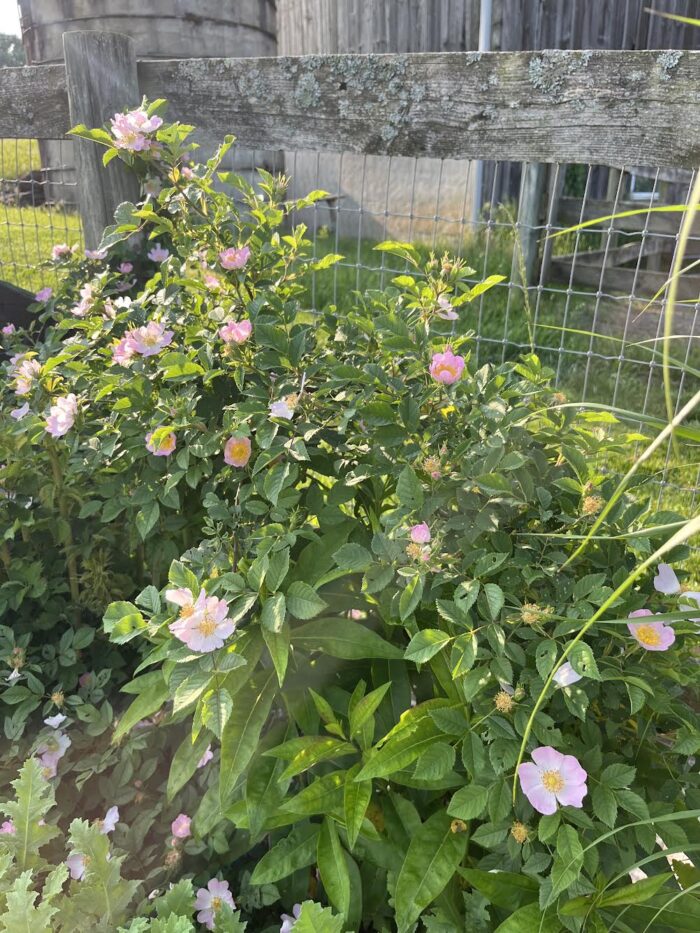
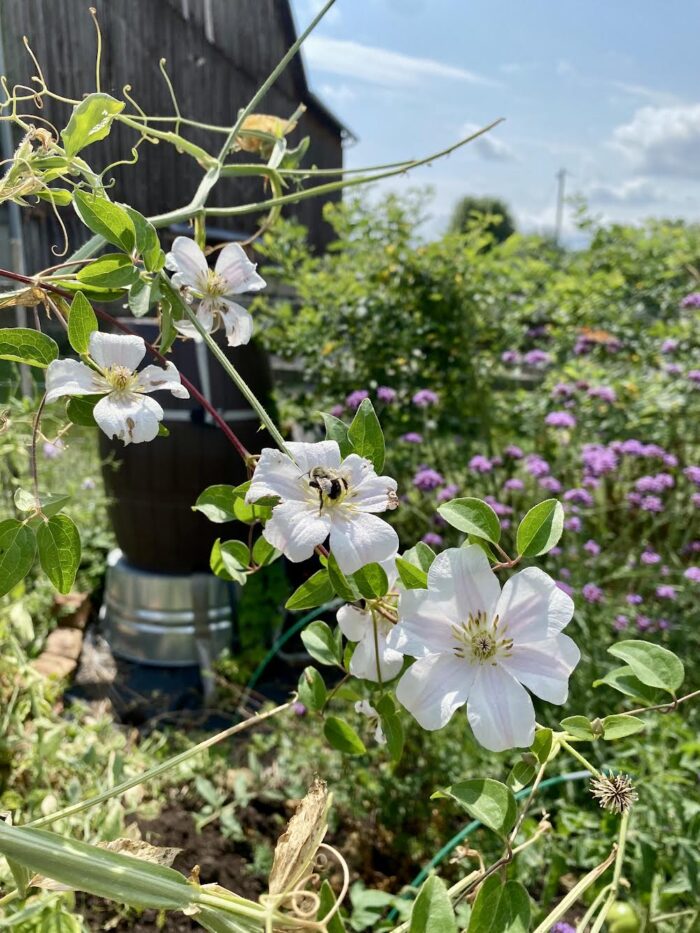
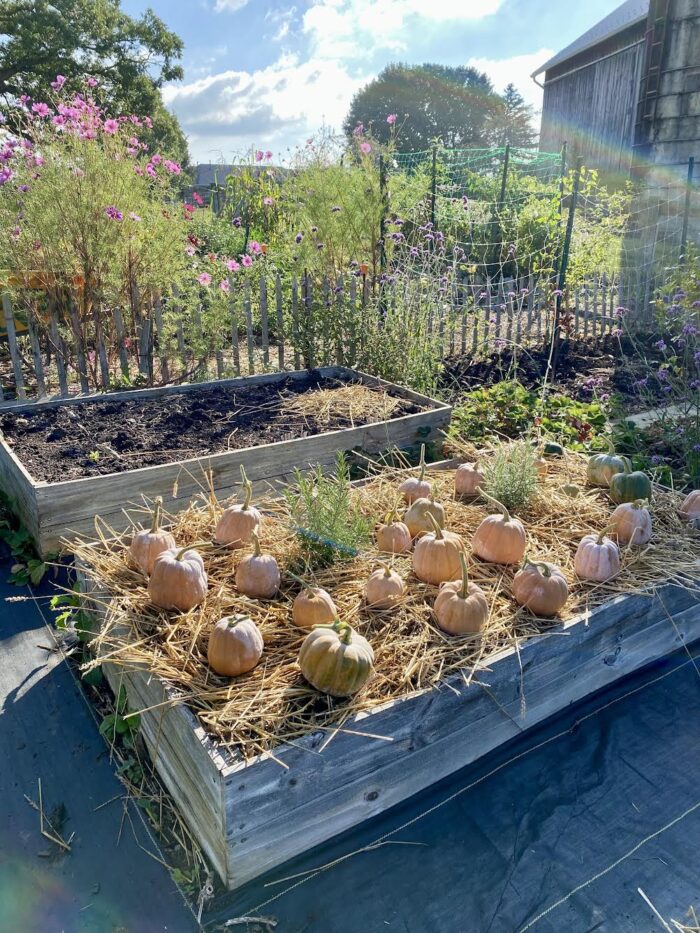
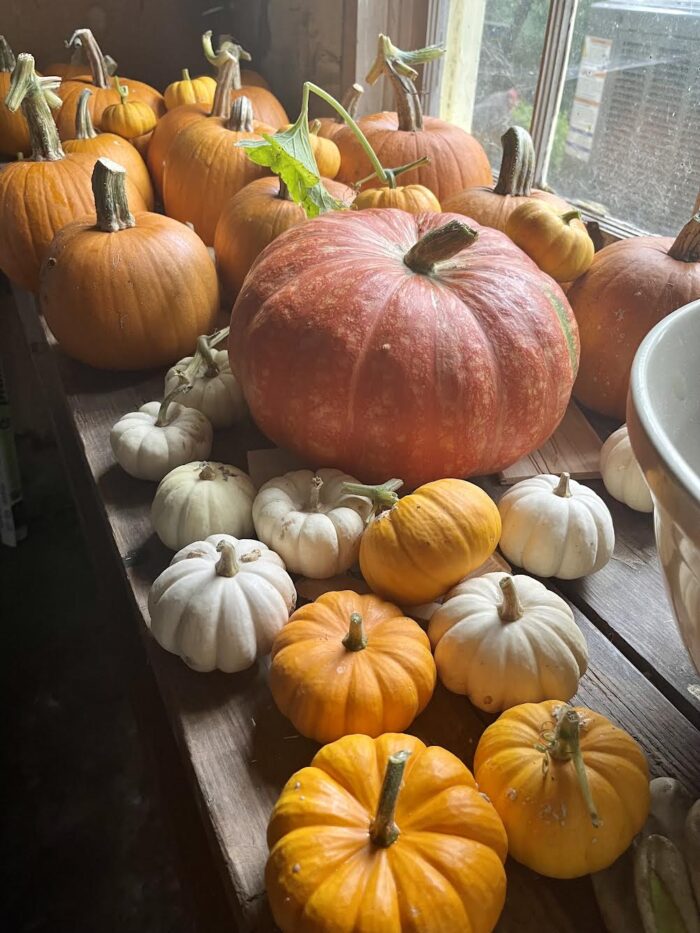
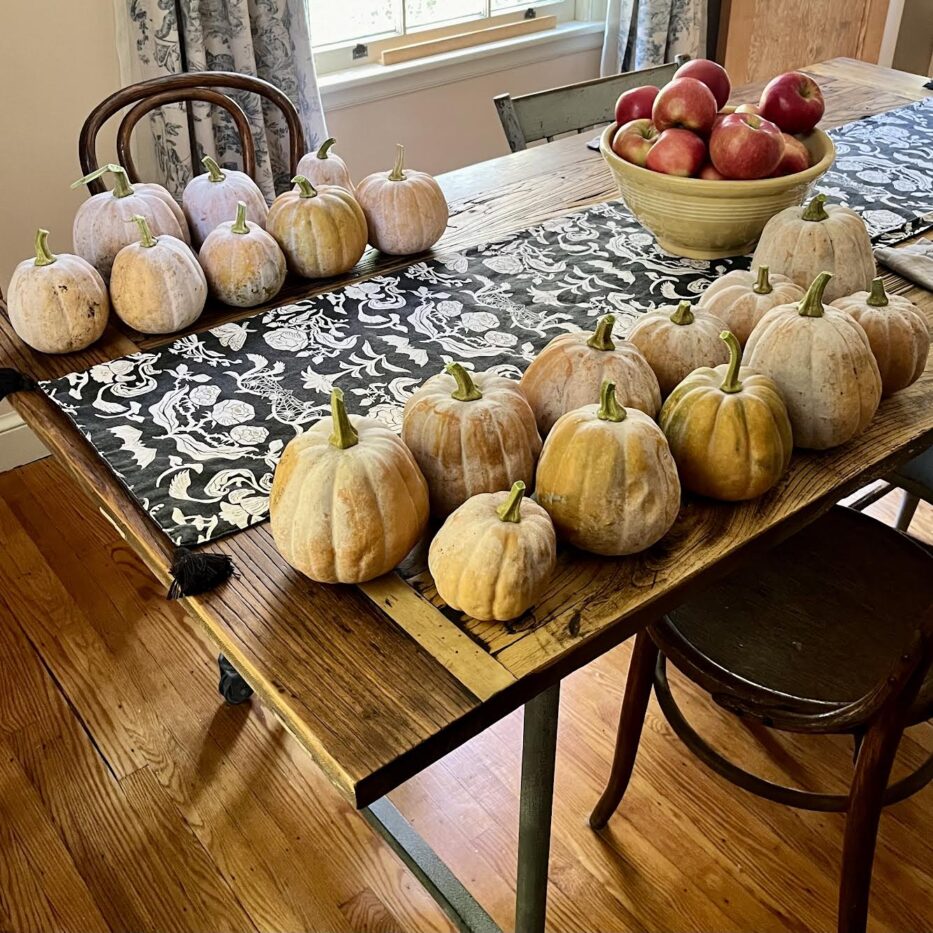
2025: This was the worst growing season since our allotment started in 2019, hands down. EVERYONE at our community garden was complaining about bad crops. The weather was awful. We had some nice roses and poppies in the spring and a good crop of squash in the fall but it felt like an uphill battle all summer where nothing would grow like it used to–even my sweet peas were lackluster. I talked a bit more about it in this post so I won’t labor the point here but…gosh. I mean, what do you expect from 2025, amiright?
2026: We’ve already begun our new growing season by spreading horse manure donated by the farm next door on the beds to compost down over winter. That was such a hopeful thing to do it made us both feel so much better–at least for a little while–which is why I feel that gardening is so important for mental health. I’ve also begun seed shopping. I’m getting more sweet peas, snap peas, a new kind of winter squash, some of my favorite double-click cosmos seeds and we’re debating on whether or not to add more blueberry bushes. Stuff like that. Most excitingly, our daughter has added her name to the waitlist for a plot of her own so we may be garden neighbors!
If you’ve made it to the end of this rather long-winded post, thank you so much and I hope you got something from it you can use for your coming garden. Spring will be here soon, and better days, too. Keep the faith. <3
What a journey we’ve been on with this garden plot! Such a great trip down memory lane!
It really has been! And I’m glad we decided to grow the artichokes. 😉